
Category: Medications - Page 3
Published on Jan 18
15 Comments
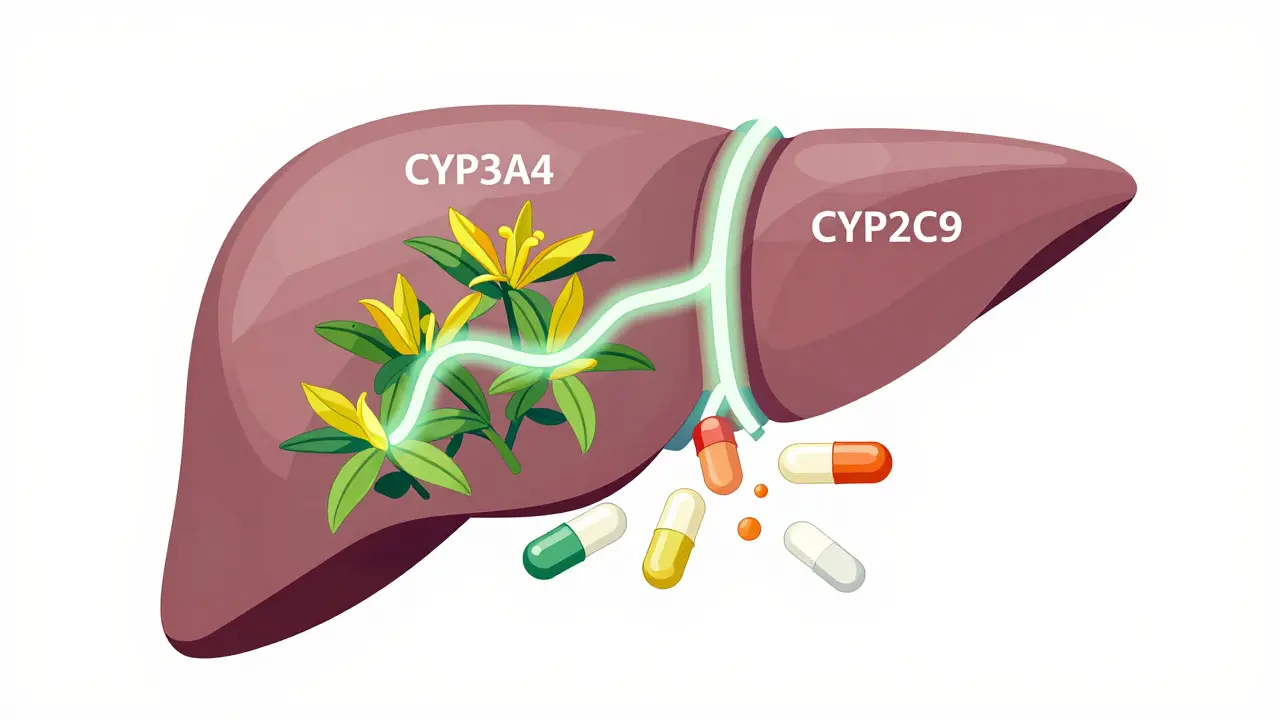
St. John’s Wort can reduce the effectiveness of birth control, antidepressants, transplant drugs, and more. Learn which medications it interferes with, why it’s dangerous, and what safer alternatives exist.
Published on Jan 17
13 Comments
Learn how to tell the difference between medication side effects and true allergic reactions-and why confusing them can cost you more in health risks and money. Most people mislabel side effects as allergies. Testing can clear you.
Published on Jan 16
9 Comments

Generic drugs make up 90% of U.S. prescriptions but only 23% of drug spending. Discover how these affordable medicines travel from overseas factories to your pharmacy-and why the system is under strain.
Published on Jan 14
8 Comments
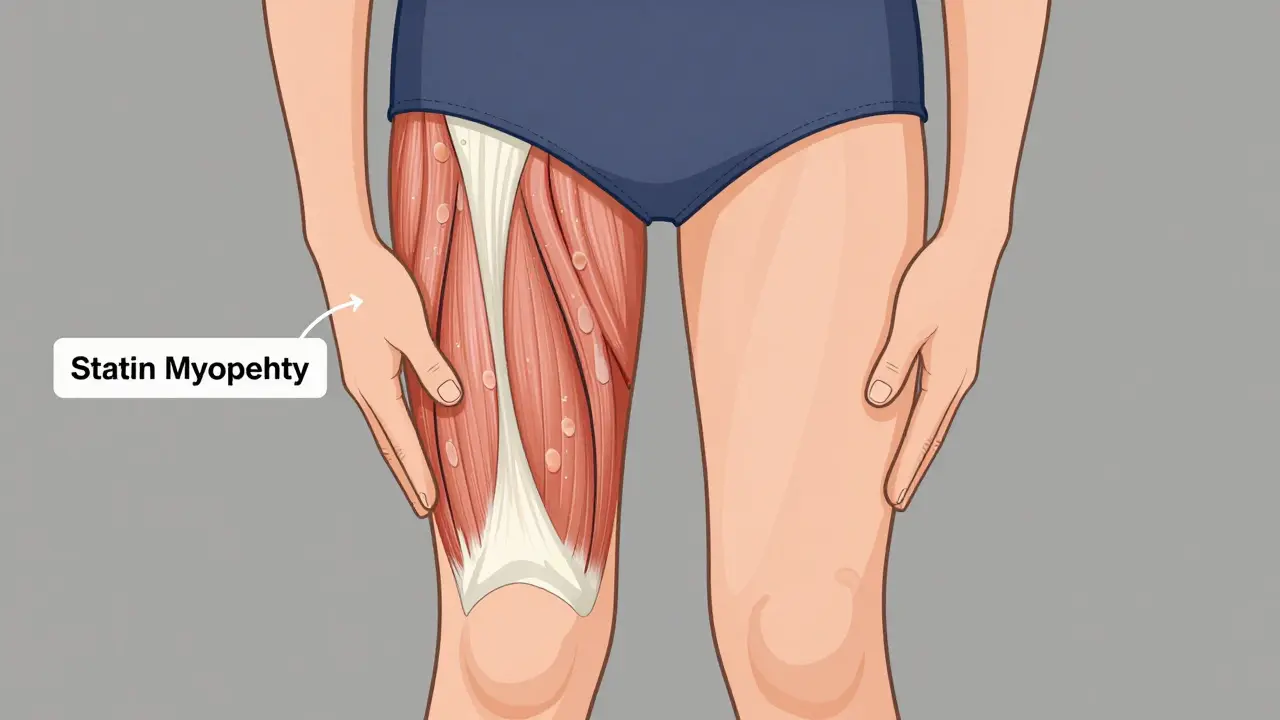
Muscle cramps on statins can signal myopathy or neuropathy-two very different conditions. Learn how to tell them apart, what tests to ask for, and how to keep your heart protected without unnecessary side effects.
Published on Jan 12
14 Comments
Learn how to prepare for a telehealth medication review and what critical questions to ask to avoid dangerous drug interactions. Get expert-backed tips for safer virtual care.
Published on Jan 11
11 Comments
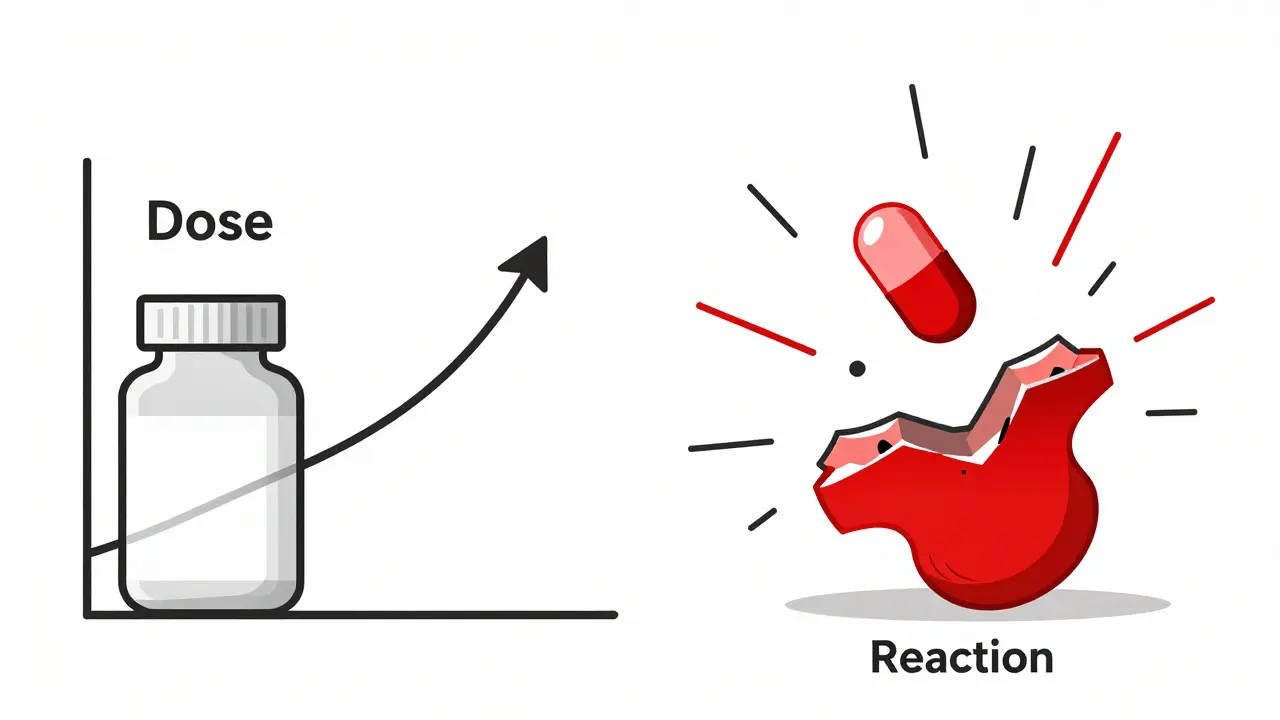
Learn how dose-related and non-dose-related side effects differ in pharmacology - why some reactions get worse with higher doses and others strike without warning. Know what to watch for and how to stay safe.
Published on Jan 10
12 Comments
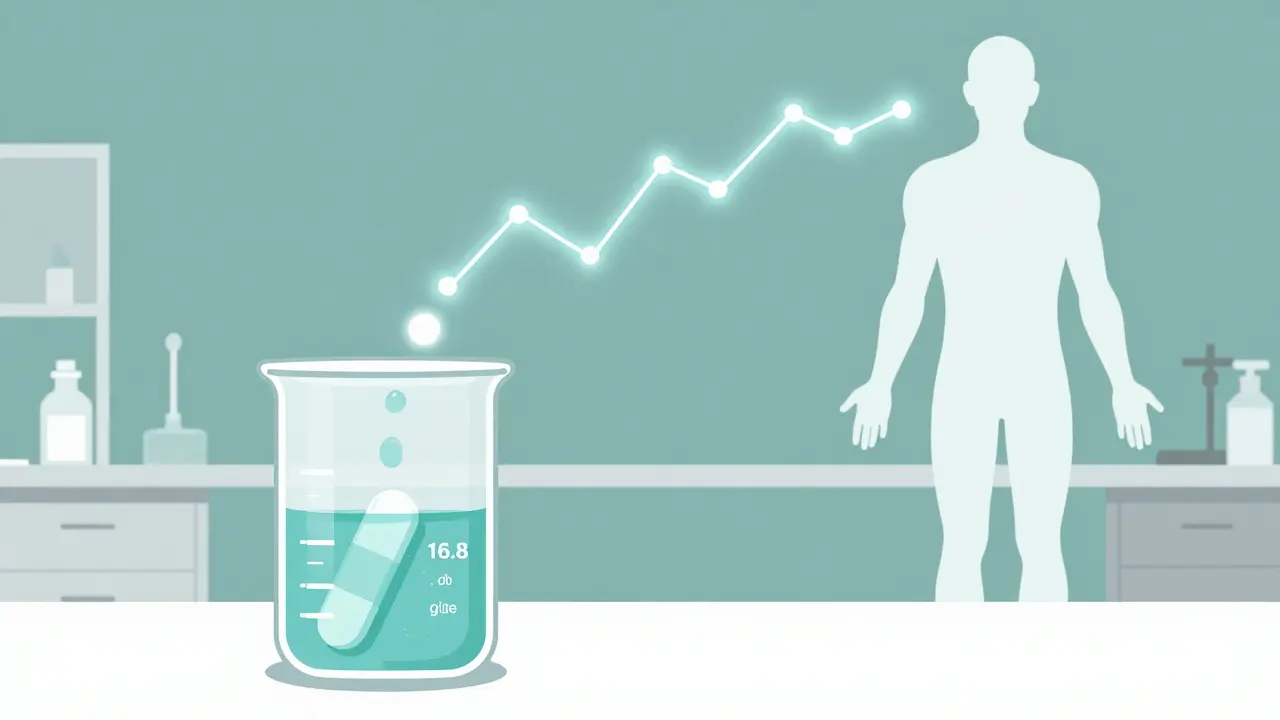
IVIVC lets pharmaceutical companies predict how a drug behaves in the body using lab-based dissolution tests, replacing costly human bioequivalence studies. Learn how it works, why it's gaining regulatory approval, and where it still falls short.
Published on Jan 6
12 Comments
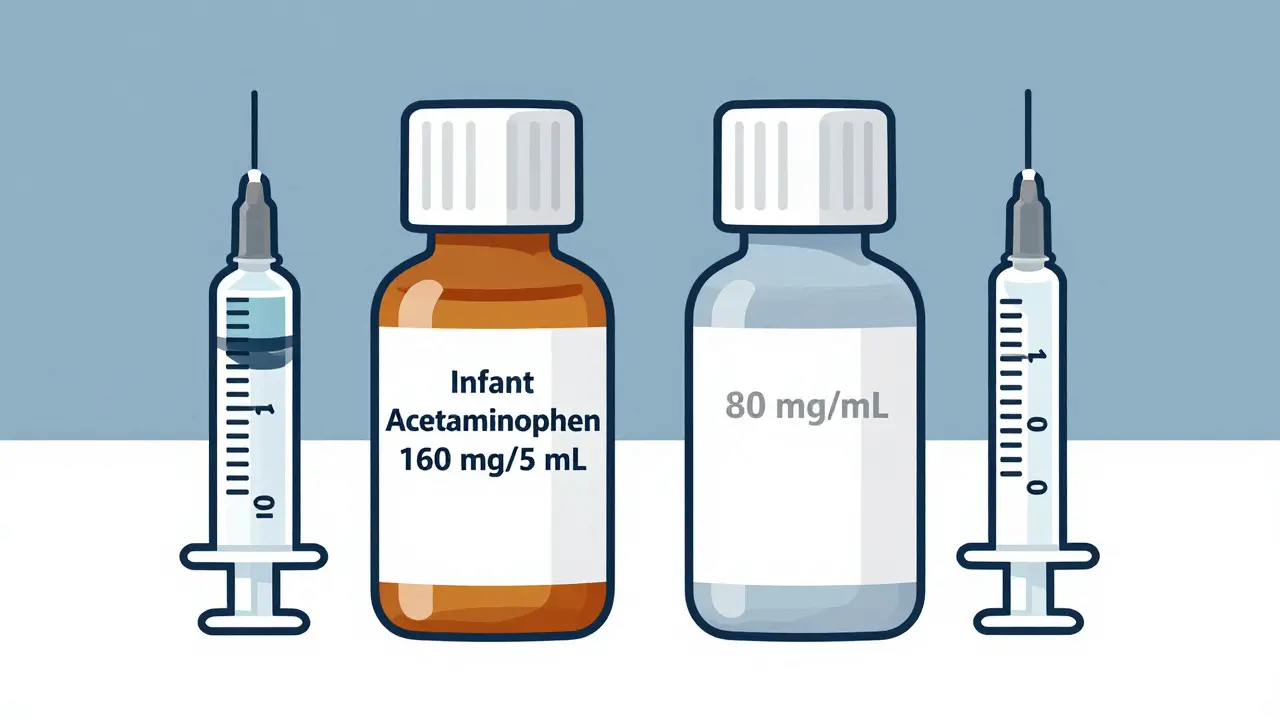
Learn how to safely give liquid medications to infants by understanding concentrations, using oral syringes, calculating weight-based doses, and avoiding common errors that lead to overdoses.
Published on Jan 4
11 Comments
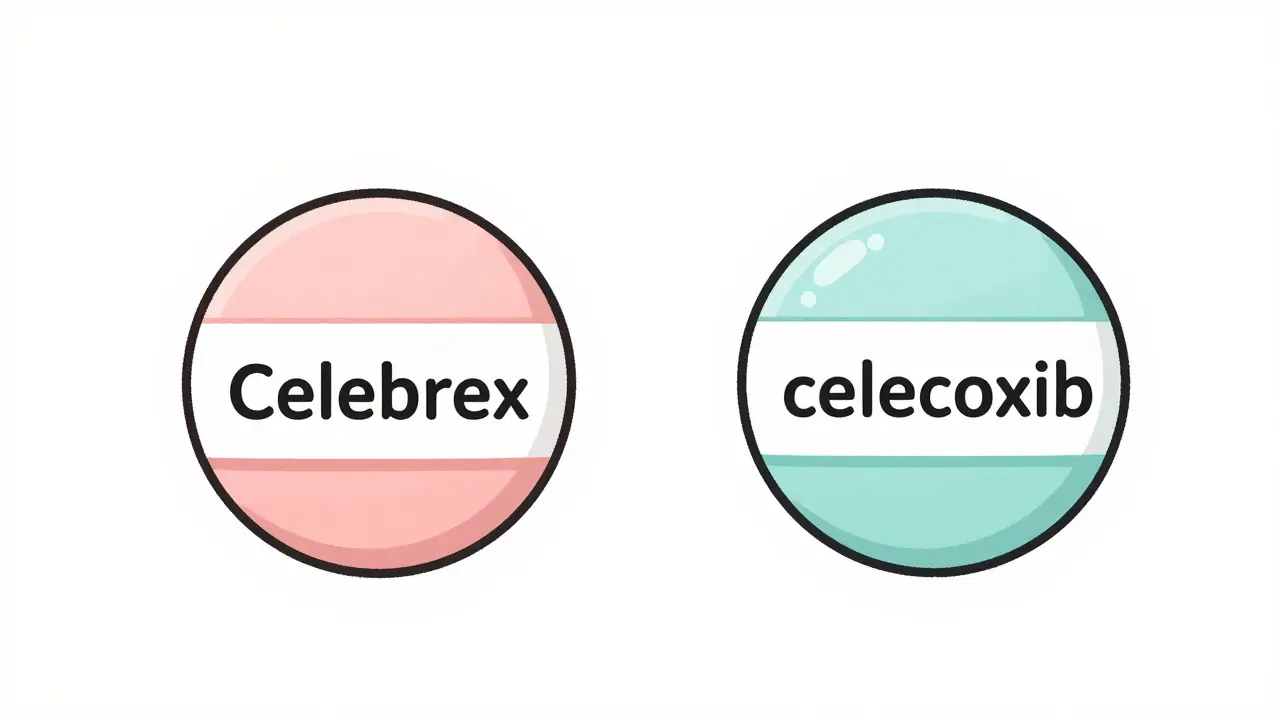
Brand companies launch authorized generics to protect revenue, control market share, and maintain patient trust when their drugs lose patent protection. It’s not a loophole-it’s a strategic move that lowers prices and keeps the same medicine available.
Published on Jan 3
8 Comments
Generic drugs are chemically identical to brand-name versions, but many people feel they don’t work as well. Science shows this is due to the labeling effect-where perception, not chemistry, changes how your body responds. Learn why and what you can do.