
Archive: 2026/03
Published on Mar 31
10 Comments
Learn how to manage medication safety for kidney disease patients, covering eGFR-based dosing, avoiding nephrotoxic drugs like NSAIDs, and leveraging protective agents such as SGLT2 inhibitors.
Published on Mar 29
14 Comments

Learn how to design effective patient education materials for older adults. Covers health literacy, font sizes, teaching methods, and reducing readmissions.
Published on Mar 25
14 Comments

A guide for pharmacists on effectively counseling patients about generic medications, covering legal requirements, bioequivalence, and addressing common patient misconceptions.
Published on Mar 24
9 Comments
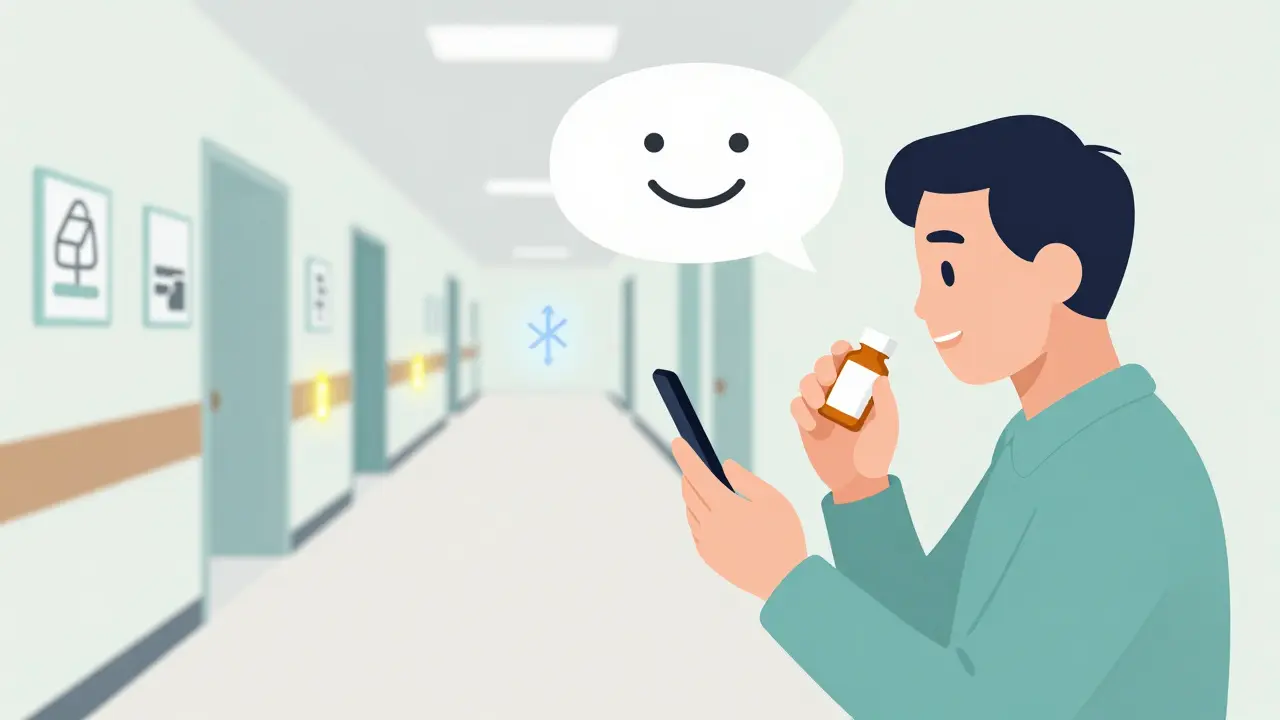
Audio resources help visually impaired patients understand medical information, manage medications, and navigate hospitals. From free apps to hospital navigation systems, these tools are legally required and life-saving.
Published on Mar 21
11 Comments
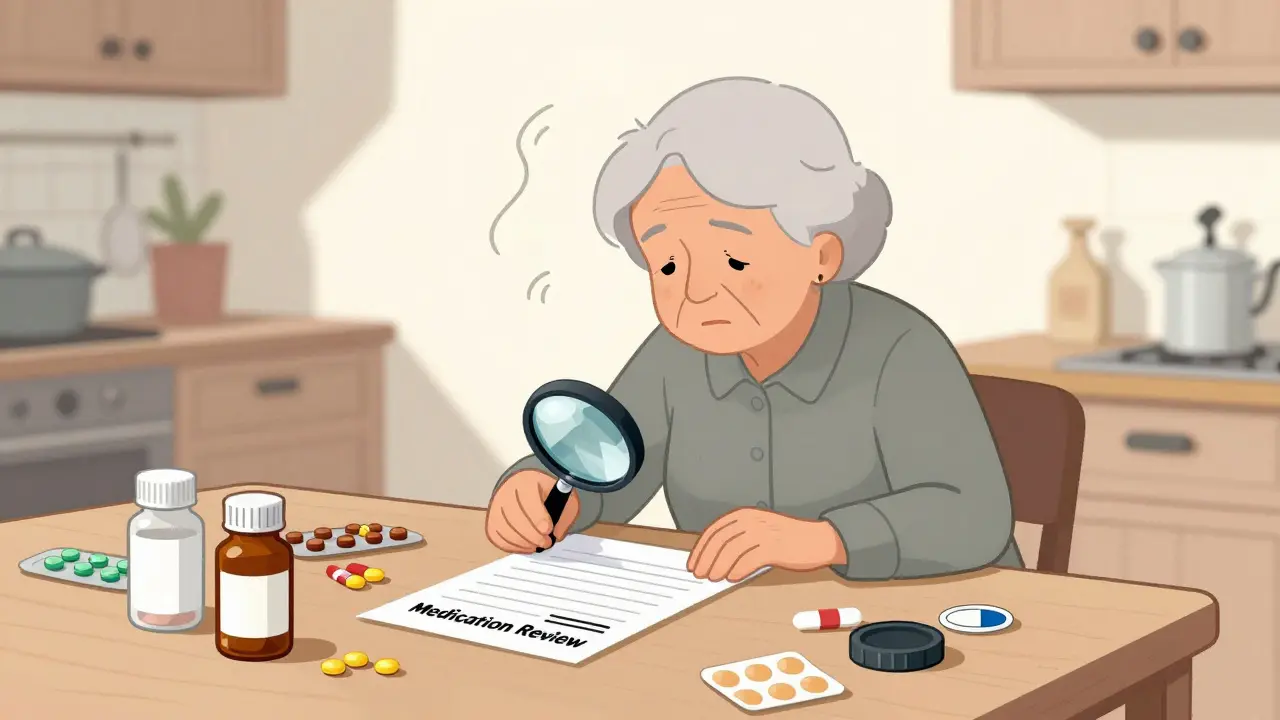
Frailty and polypharmacy in older adults create a dangerous cycle of side effects, falls, and hospitalizations. Learn how deprescribing and patient-centered care can reduce medication burden and improve quality of life.
Published on Mar 18
11 Comments

Prolactinomas are the most common type of pituitary tumor, causing hormone imbalances that affect fertility, libido, and metabolism. Learn how cabergoline, surgery, and radiation help restore balance - and what to expect long-term.
Published on Mar 17
13 Comments
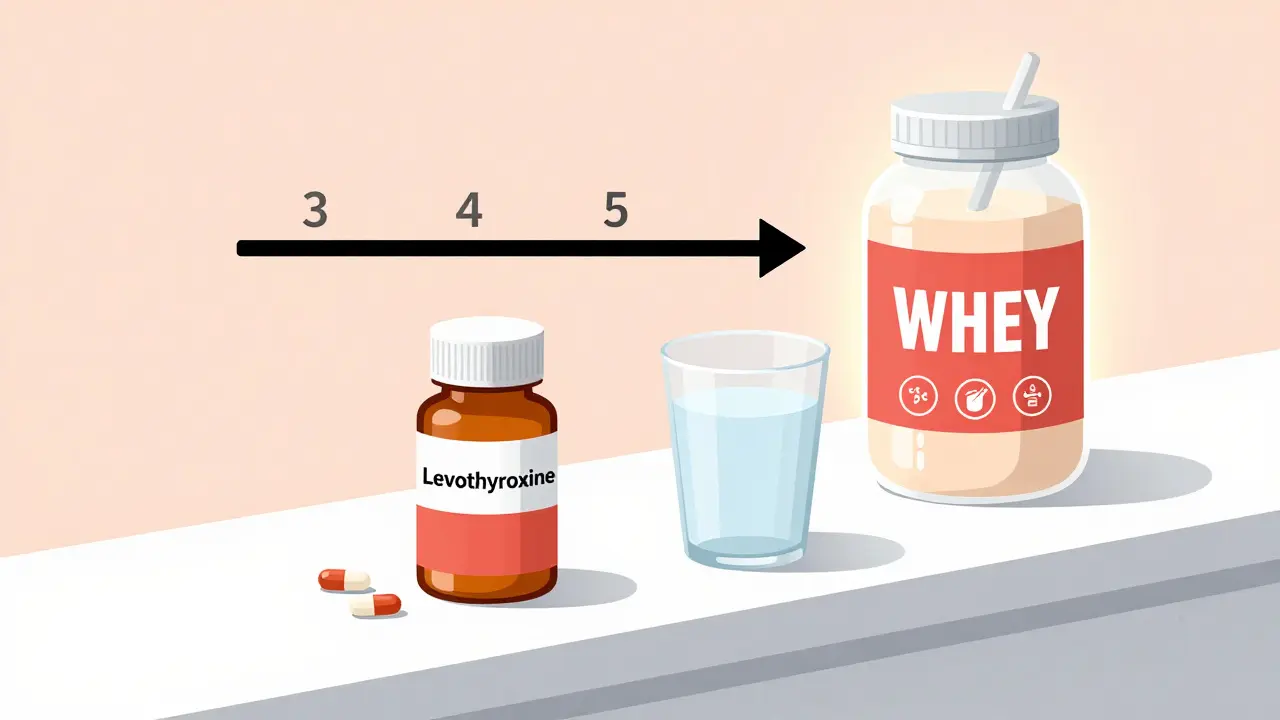
Learn how protein shakes interfere with levothyroxine absorption and the science-backed 4-hour timing rule to keep your thyroid levels stable. Morning or evening dosing? Here's what really works.
Published on Mar 14
14 Comments
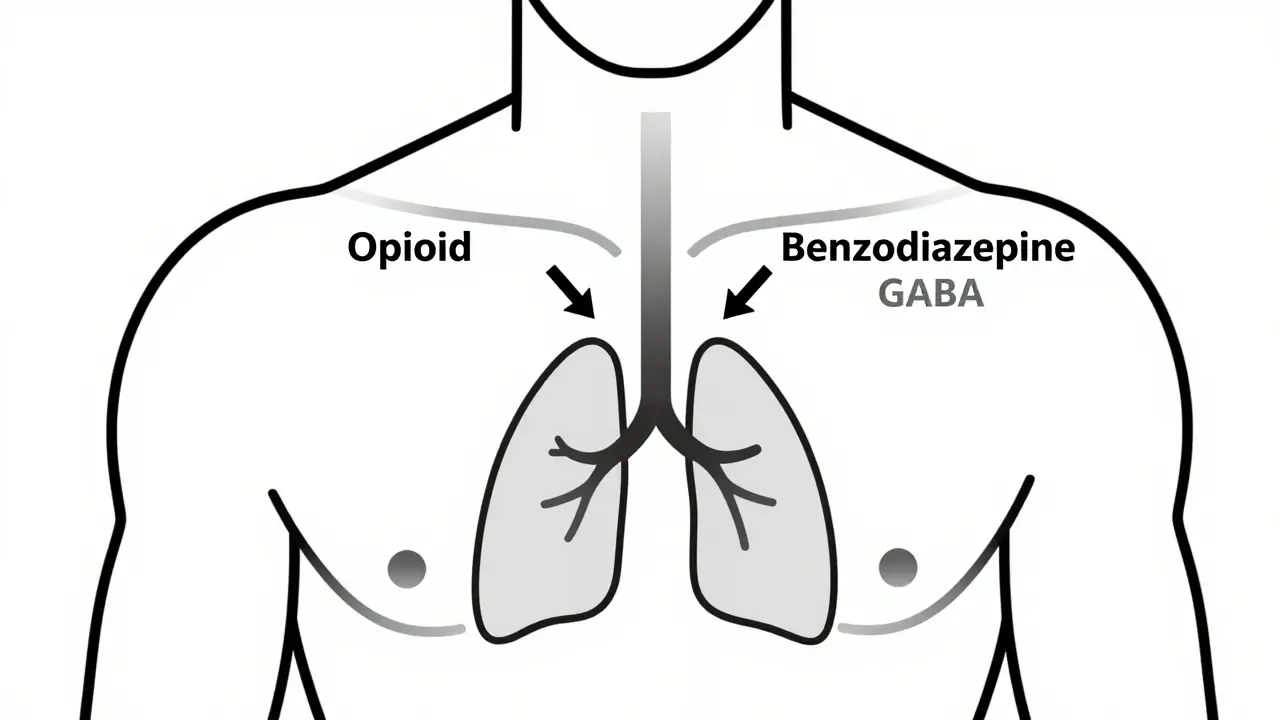
Taking opioids and benzodiazepines together can dangerously slow your breathing-even at prescribed doses. Learn why this combo kills hundreds each month and what to do if you're on both.
Published on Mar 11
13 Comments
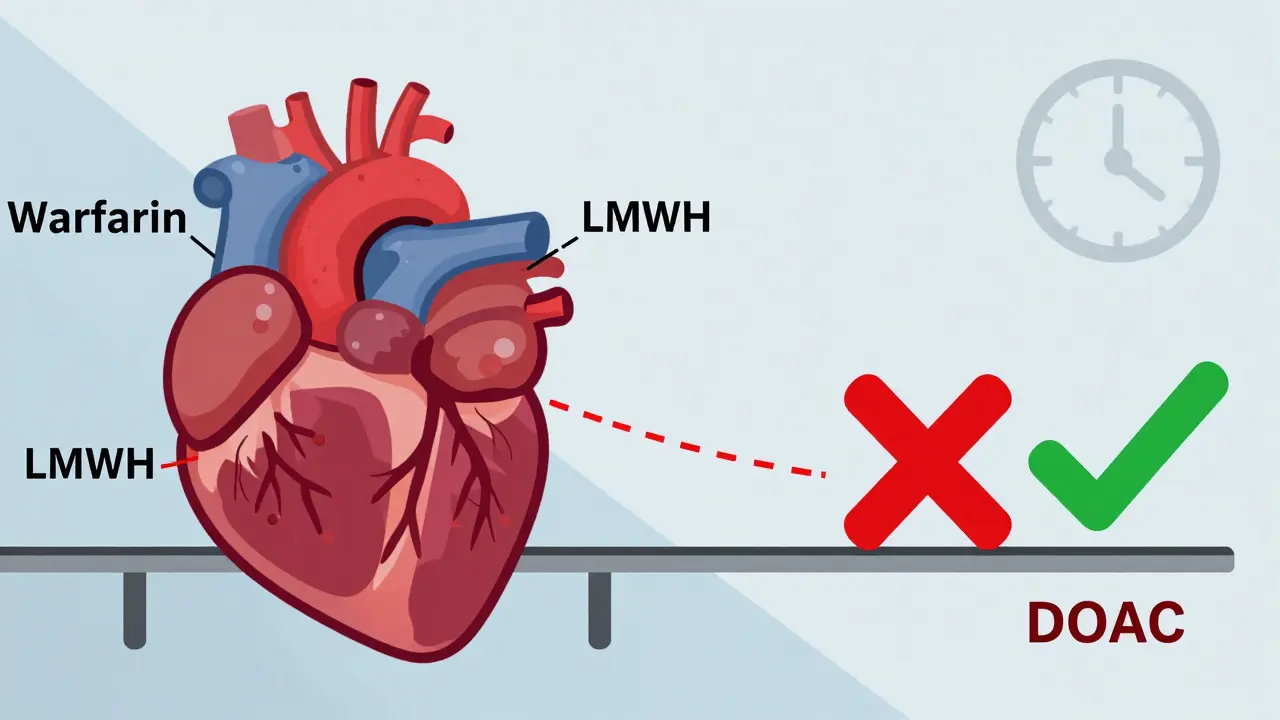
Learn when bridging therapy is truly needed to safely switch between blood thinners-and why most people don’t need it anymore. Evidence-based guidance for warfarin and DOAC users.
Published on Mar 10
14 Comments

Cancer survivorship means managing long-term side effects and the risk of recurrence after treatment ends. Learn how care plans, coordinated care, exercise, and lifestyle changes can improve health and reduce future risks.