
Generic vs Brand Drugs: What Really Matters for Your Health
When you pick up a prescription, you might see two options: the generic drug, a copy of a brand-name medication that contains the same active ingredient and works the same way in your body. Also known as non-branded medication, it is typically cheaper and just as effective for most people. Then there’s the brand-name drug, the original version developed by a pharmaceutical company, often protected by patents and sold under a specific trademark. The big question isn’t just about price—it’s about whether switching between them is safe, and when it could actually affect your health.
The FDA requires generics to be bioequivalent, meaning they deliver the same amount of active ingredient into your bloodstream at the same rate as the brand. That sounds simple, but it’s not always straightforward. For drugs like phenytoin, an antiseizure medicine with a narrow therapeutic window, tiny differences in how the body absorbs the drug can lead to seizures or toxicity. That’s why some people need to stick with one brand or generic version—and why your doctor might monitor your blood levels closely. Meanwhile, pharmacy substitution laws, rules that vary by state and determine whether a pharmacist can swap your brand for a generic without asking you, add another layer of complexity. In some places, you’re automatically switched unless you or your doctor object. In others, you have more control.
It’s not just about the active ingredient. The inactive ingredients, like fillers, dyes, or preservatives, can cause reactions in sensitive people—even if the drug works the same. And while most generics are fine, there are cases where switching back and forth between different generic versions causes problems, especially with drugs that are hard to manufacture consistently. That’s why some patients report feeling different after a switch, even when labs say everything’s within range.
You don’t need to be a scientist to make smart choices. Know your meds. Ask your pharmacist if your prescription was switched. Check if your insurance is pushing a cheaper version. And if you feel off after a switch—don’t brush it off. That could be your body telling you something matters. Below, you’ll find real stories and science-backed facts about when generic and brand drugs are truly interchangeable, when they’re not, and what you can do to protect your health.
Published on Feb 24
9 Comments
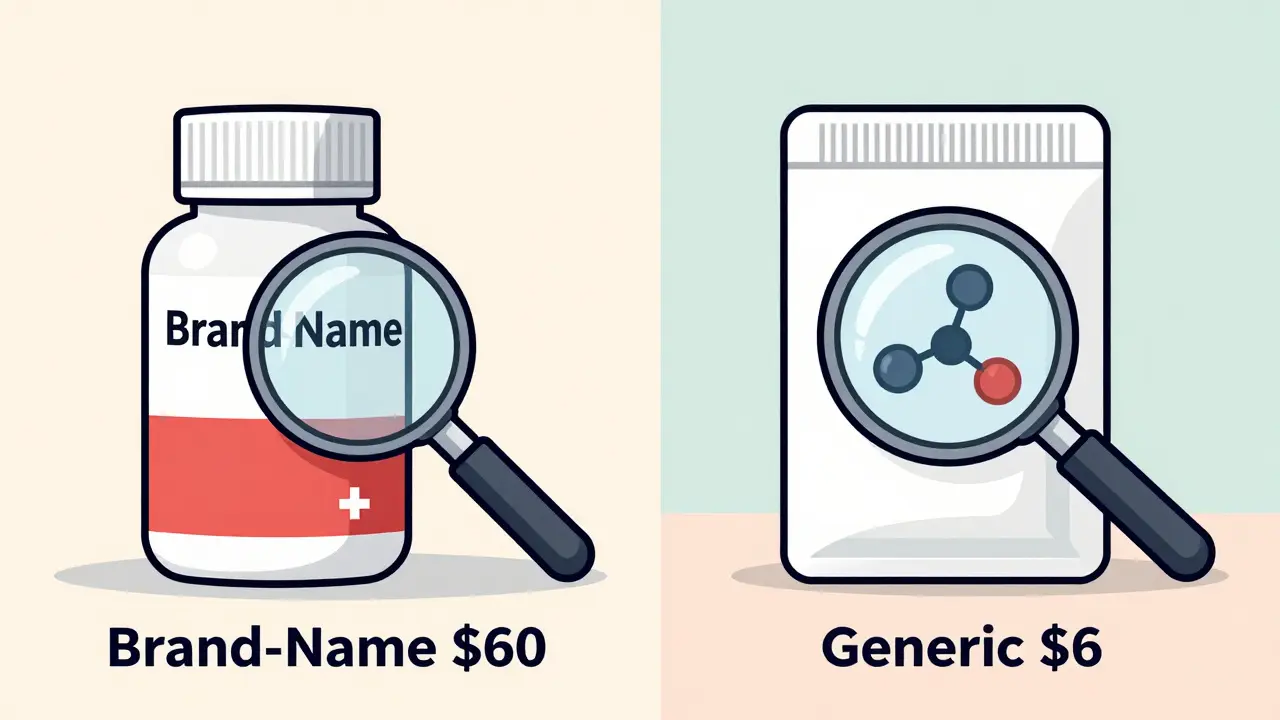
Generic medications save patients and insurers billions by offering the same drugs at a fraction of the cost. Learn why they’re cheaper, how to find the best prices, and how to make sure you’re getting real savings.
Published on Dec 10
15 Comments
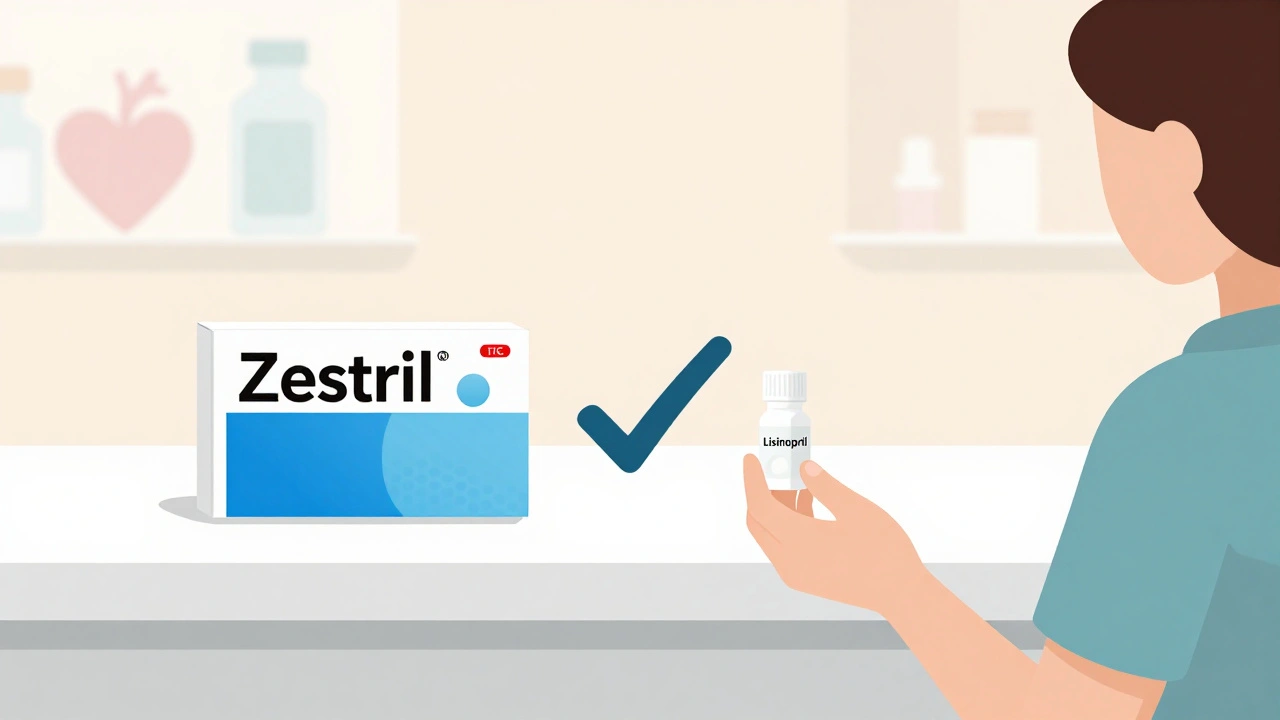
Switching from brand-name to generic medication saves money without sacrificing effectiveness for most people. Learn what to expect, when to be cautious, and how to monitor your health after the switch.
Published on Dec 7
11 Comments
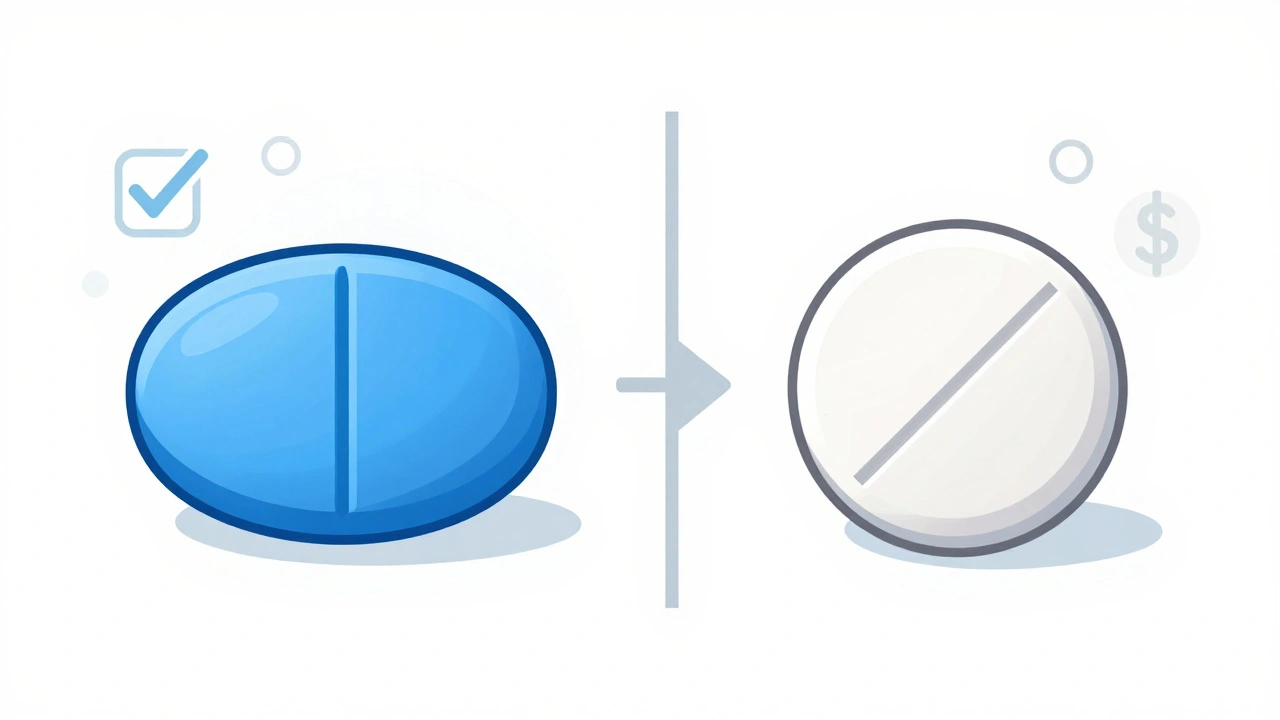
Generic drugs look different from brand-name ones due to trademark laws, not quality differences. Learn why color, shape, and size change - and why it's still safe and effective.