
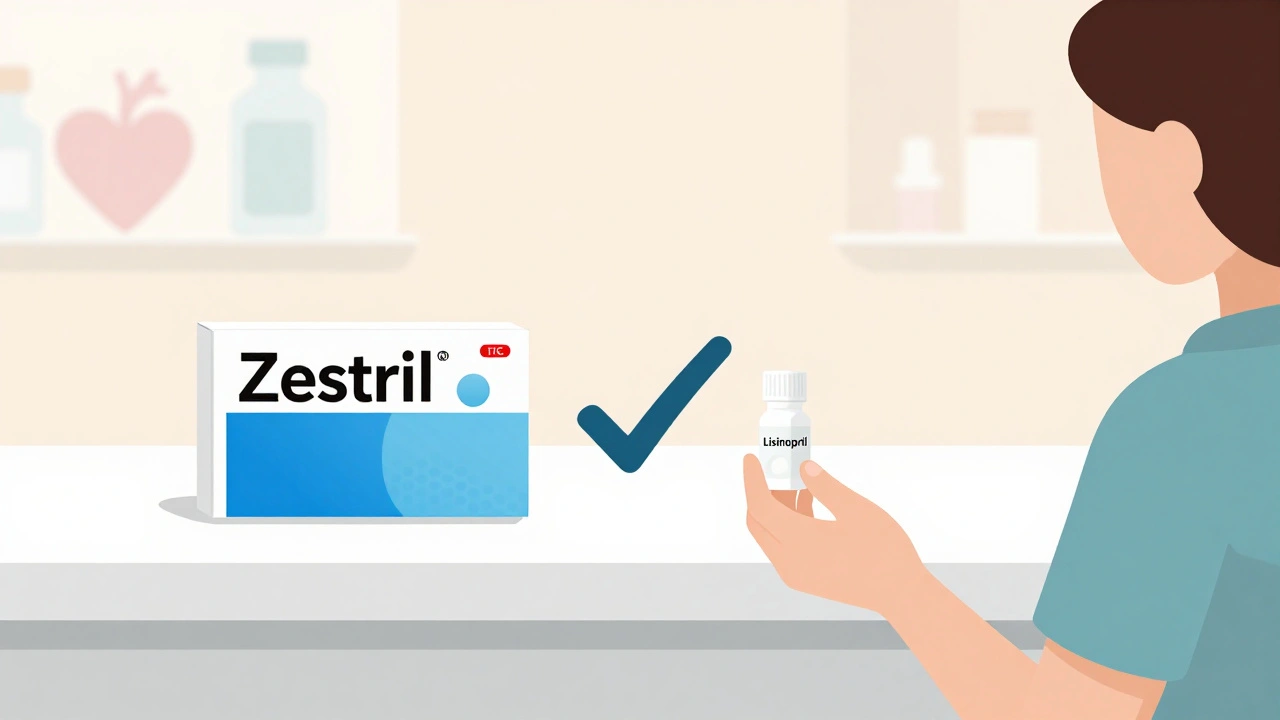
When your pharmacist hands you a pill that looks completely different from what you’ve been taking, it’s normal to pause. Maybe it’s a smaller, white tablet instead of a large, blue one. Maybe the name on the bottle is unfamiliar. You might wonder: is this really the same thing?
The short answer is yes - if it’s an FDA-approved generic. But knowing that doesn’t always ease the worry. Switching from a brand-name drug to its generic version is common, affordable, and usually seamless. But not always. Understanding what to expect - and what to watch for - can help you avoid confusion, side effects, or worse, a drop in effectiveness.
What Exactly Is a Generic Drug?
A generic drug isn’t a copy. It’s not a cheaper version made with lower-quality ingredients. It’s the exact same medicine, legally required to work the same way in your body. The FDA demands that generics contain the same active ingredient, strength, dosage form, and route of administration as the brand-name version. That means if you take a 10mg tablet of lisinopril for high blood pressure, whether it’s called Zestril or just lisinopril, the part that lowers your blood pressure is identical.
The difference? Everything else. Generics look different because trademark laws force them to. The color, shape, size, and even the coating are changed so they don’t look like the brand. They might also contain different inactive ingredients - things like fillers, dyes, or preservatives. These don’t affect how the drug works, but they can matter if you’re allergic to something like lactose, FD&C Yellow No. 5, or certain dyes.
Generics become available after the brand-name drug’s patent expires - usually 20 years after it’s first filed. Once that happens, other companies can make the same drug without paying for the original research. That’s why they cost so much less.
How Much Money Do You Save?
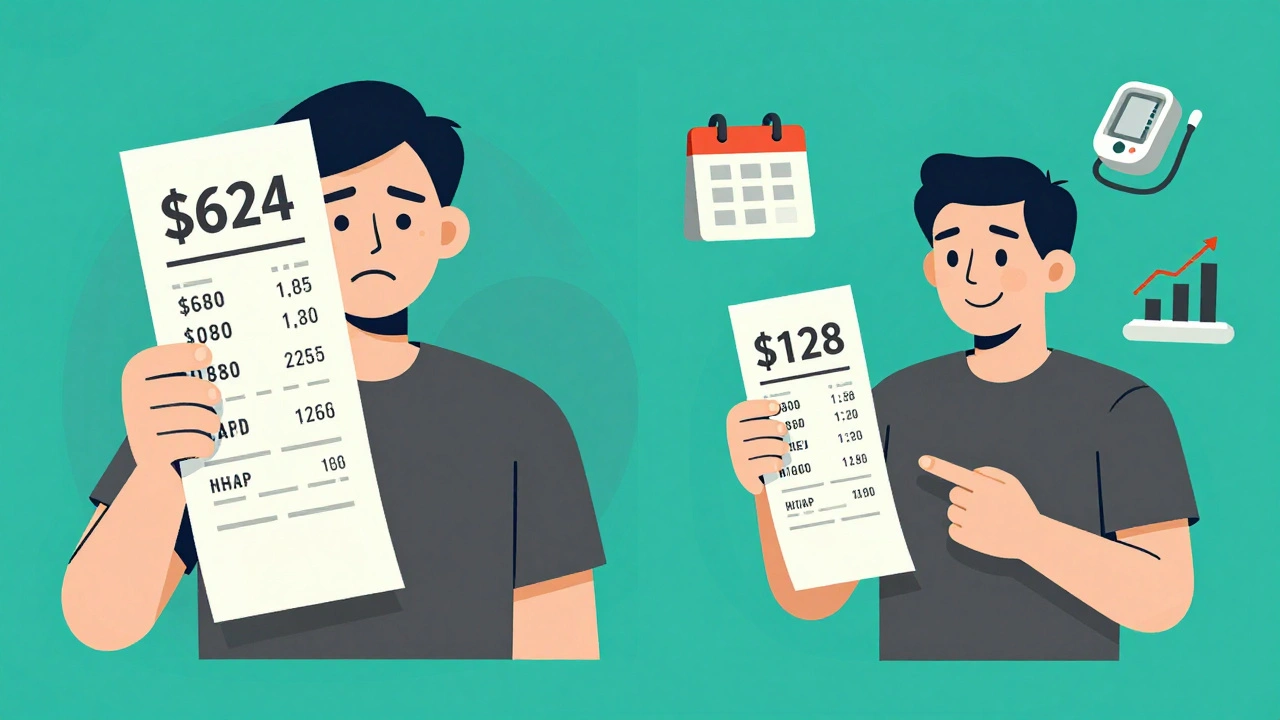
Switching to a generic can cut your prescription costs by 80% to 85%. On average, a brand-name medication costs about $624 per prescription. The generic? Around $128. That’s not a small difference - it’s life-changing for people on fixed incomes or without good insurance.
Medicare Part D beneficiaries save an average of $1,268 a year just by choosing generics. GoodRx data shows that patients who switch from brand-name cholesterol pills, diabetes meds, or antidepressants often go from paying $300-$400 a month down to $10-$20. Maria Rodriguez from Phoenix told ABC15 she was skipping doses of her brand-name cholesterol drug because it cost $350 a month. The generic costs $15 and works the same. She’s now taking it every day.
Cost isn’t just about the sticker price. Lower prices mean better adherence. Kaiser Permanente found that 78% of diabetic patients stayed on their generic metformin, compared to only 63% on the brand-name Glucophage. When meds are affordable, people take them - and that leads to fewer hospital visits and better long-term health.
Are Generics Really as Effective?
Yes - in nearly every case. A major 2019 study in JAMA Internal Medicine reviewed over 2,000 clinical trials and found generics performed identically to brand-name drugs in 88% of cases. The FDA requires generics to prove they’re bioequivalent: meaning your body absorbs them at the same rate and to the same extent as the brand. The standard? The generic’s absorption must fall within 80% to 125% of the brand’s. That’s a tight range - and real-world data shows most generics land within just 4.1% variation.
Doctors like Dr. Ameet Nagpal, who studied over a million patient records, found no meaningful difference in outcomes for heart medications like beta-blockers or statins when switching to generics. The same goes for antibiotics, blood pressure pills, and many antidepressants.
But there are exceptions.
When You Should Be Cautious
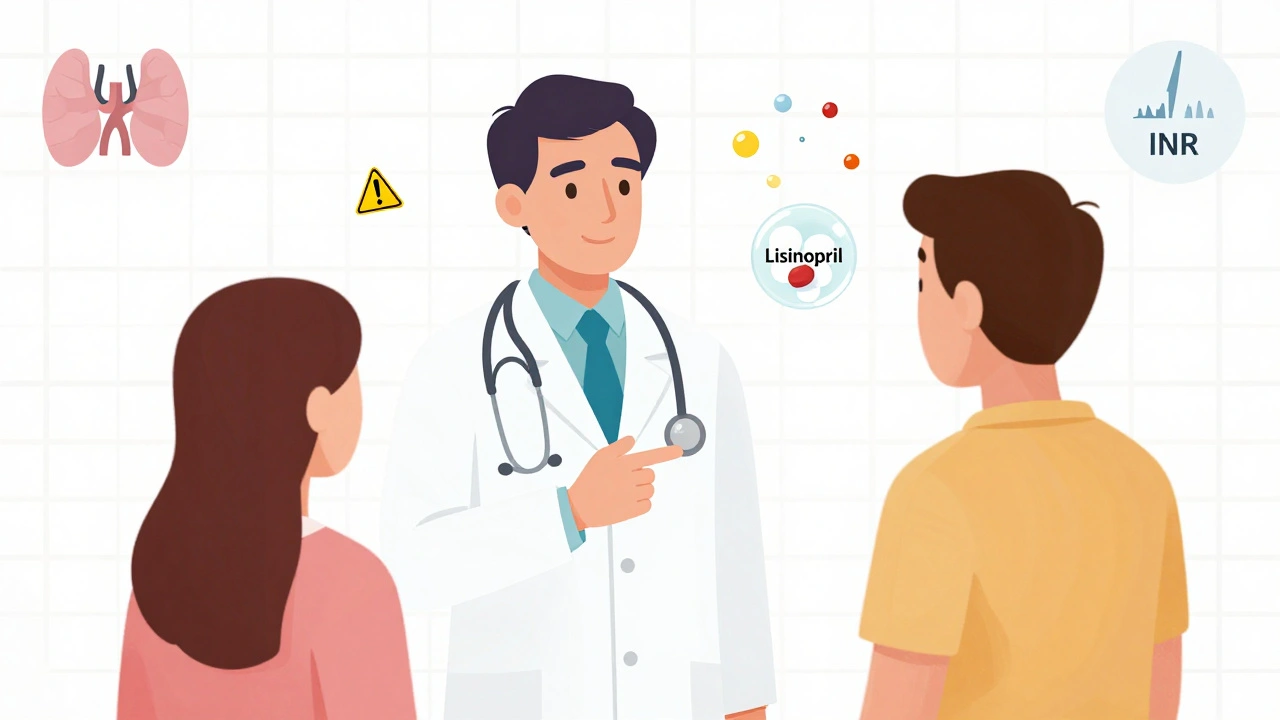
Not all drugs are created equal when it comes to generics. Some have what’s called a narrow therapeutic index (NTI). That means the difference between a dose that works and one that’s dangerous is tiny. Even small changes in how the drug is absorbed can cause problems.
Drugs in this category include:
- Levothyroxine (for thyroid conditions)
- Warfarin (a blood thinner)
- Phenytoin and carbamazepine (for seizures)
The American Epilepsy Society found that 12.7% of patients switching between generic versions of antiseizure drugs had breakthrough seizures - compared to just 4.3% who stayed on the same formulation. That’s why neurologists like Dr. Robert Graham at Cedars-Sinai often recommend sticking with one manufacturer’s generic - or even the brand - if a patient is stable. Sometimes, switching between different generics (not just brand to generic) can trigger issues.
Another area of concern: complex delivery systems. Inhalers, patches, and some topical creams rely on precise physical properties to deliver the drug. A 2020 FDA warning flagged that some generic versions of Advair Diskus didn’t disperse powder the same way as the brand, leading to inconsistent dosing. The same goes for some nasal sprays and eye drops.
What to Watch For After the Switch
Most people feel no difference. But if you notice anything new - fatigue, dizziness, mood changes, or a return of symptoms - write it down. Don’t assume it’s all in your head.
Here’s what to track in the first two weeks after switching:
- For diabetes: Check fasting blood sugar. If it jumps more than 20 mg/dL from your usual range, contact your doctor.
- For blood thinners like warfarin: Monitor your INR. A change of more than 0.5 units could mean your dose needs adjusting.
- For antidepressants or anxiety meds: Use a simple scale like the PHQ-9 for depression or GAD-7 for anxiety. If your score drops significantly, talk to your provider.
- For thyroid meds: Watch for new hair loss, weight changes, or heart palpitations. Get a TSH blood test in 4-6 weeks.
Also, pay attention to side effects you didn’t have before. A new rash? Nausea? Headaches? It could be an inactive ingredient - like a dye or filler - you’re reacting to. Your pharmacist can check the label for allergens like lactose, gluten, or FD&C dyes.
What the Pharmacist Should Tell You
When you pick up a generic, your pharmacist is required to give you a 5-7 minute counseling session (mandated in 42 states). They should explain:
- Why the pill looks different
- That the active ingredient is the same
- That you should report any new symptoms
- Where to find the list of inactive ingredients (on the Patient Package Insert)
But here’s the problem: not all labels are clear. A 2022 University of Michigan study found only 37% of generic drug labels clearly list potential allergens. So don’t rely on the bottle alone. Ask your pharmacist to show you the full ingredient list - or check the FDA’s website using the drug’s National Drug Code (NDC).
When You Should Stick With the Brand
There are times when staying on the brand makes sense:
- You’ve tried generics before and had problems
- You’re on an NTI drug and your doctor recommends consistency
- You have a known allergy to an inactive ingredient in the generic
- You’re on a complex delivery system (like an inhaler) where generics aren’t proven equivalent
- Your insurance doesn’t cover the generic (rare, but possible)
If you need to stay on the brand, your doctor can write “Do Not Substitute” on the prescription. Some insurers require prior authorization for brand-name drugs - but if your doctor explains why it’s medically necessary, they’ll usually approve it.
What’s Changing in 2025?
The FDA is pushing for better labeling of inactive ingredients by 2025, so you’ll know exactly what’s in your pill. The Inflation Reduction Act also means Medicare will cover all FDA-approved generics without prior authorization starting in 2024 - making access even easier.
More complex generics are coming too. Biosimilars - which are like generics for biologic drugs like Humira - are hitting the market. The first Humira biosimilars arrived in January 2024, offering 15-30% savings on a drug that used to cost over $7,000 a month.
By 2030, experts predict 95% of all prescriptions will be generics. The trend is clear: cost, safety, and effectiveness are aligning - and patients are winning.
Final Advice: Stay Informed, Stay Involved
Switching to a generic isn’t a gamble. It’s a smart, evidence-backed choice for most people. But your health is personal. Don’t just accept the switch without asking questions. Know what you’re taking. Track how you feel. Speak up if something changes. You’re not just a patient - you’re the most important person in your care team.
If you’ve switched and it’s working - great. If not, you’re not alone. And you’re not crazy. There’s a reason behind it - and help is available.
Queenie Chan
December 10, 2025 AT 16:24Okay, but have you ever noticed how generic pills sometimes taste weird? Like, I switched to a generic levothyroxine and it had this metallic aftertaste-like licking a battery. My pharmacist said it’s the filler, but still. Why can’t they make it taste like nothing? I’m not asking for candy, just… neutral.
Monica Evan
December 10, 2025 AT 17:13My grandma switched to generic warfarin and her INR went haywire for two weeks. She didn’t tell anyone because she didn’t want to be ‘that patient.’ We got her back on the brand and she’s fine now. Don’t underestimate how much your body notices a change-even if it’s ‘the same active ingredient.’
john damon
December 11, 2025 AT 08:22Generics are the future 🚀💰 I used to spend $400/month on my antidepressant. Now I pay $12. My mood? Same. My bank account? Alive. Stop being scared of white pills. They’re not magic, they’re medicine.
Nikki Smellie
December 12, 2025 AT 08:03Did you know the FDA allows generics to be 20% less effective? That’s not a typo. They call it ‘bioequivalence’-but what they really mean is ‘close enough for liability purposes.’ The pharmaceutical industry doesn’t want you to know this. They’re selling you a placebo with a different label.
Neelam Kumari
December 13, 2025 AT 13:26Oh wow, so now we’re supposed to trust white pills from a factory in India that smells like burnt plastic? My cousin took a generic for malaria and ended up in a hospital in Mumbai. Coincidence? I think not.
Stephanie Maillet
December 14, 2025 AT 23:28It’s fascinating, isn’t it? We’ve built an entire medical system on trust-trust in chemistry, trust in regulation, trust in institutions-and yet, when the pill looks different, our primal brain screams ‘fraud!’ Maybe the real issue isn’t the drug… it’s our fear of the unknown. The color, the shape, the name-they’re all illusions. The molecule doesn’t care what you call it.
David Palmer
December 15, 2025 AT 23:11Bro, I switched to generic Adderall and I felt like a zombie for a week. Then I switched back and boom-focus returned. Not saying generics are bad, but sometimes they’re just… off. Don’t be a hero. If it ain’t broke, don’t switch.
Jimmy Kärnfeldt
December 16, 2025 AT 00:45I get why people are nervous. I used to be one of them. But after my dad’s heart meds switched and he didn’t even notice, I started asking friends. Turns out, most people don’t feel a thing. The ones who do? Usually have NTI meds. So check your drug class. If it’s not levothyroxine or warfarin… you’re probably fine. And if you’re not? Talk to your doc. No shame in that.
Aidan Stacey
December 17, 2025 AT 13:49Let me tell you about the time my mom’s generic blood pressure pill turned her lips purple. She thought she was having a stroke. Turned out? It was the dye. The pharmacist didn’t even mention it. That’s not safety-that’s negligence. We need transparency, not just ‘same active ingredient.’ What’s in the pill matters as much as what’s in it.
Taylor Dressler
December 17, 2025 AT 18:45For anyone concerned about inactive ingredients: always check the FDA’s DailyMed database using the NDC code on your bottle. It’s free, official, and lists every excipient. You can even compare different manufacturers. Knowledge is power-and it’s literally in the fine print.
Michaux Hyatt
December 19, 2025 AT 12:23I’ve been a pharmacist for 22 years. I’ve seen thousands of switches. In 98% of cases, zero issues. The 2%? Usually thyroid or seizure meds. And even then, most people are fine if they stick with the same generic maker. Don’t fear generics. Fear silence. If something feels off, speak up. That’s your power.
Jim Irish
December 21, 2025 AT 01:01Generics reduce healthcare costs significantly. Evidence supports equivalence. Patient adherence improves. These are facts.
Rebecca Dong
December 22, 2025 AT 06:24THEY’RE TESTING ON US!!! The FDA is in cahoots with Big Pharma! Why do you think they let generics look different? To make us doubt ourselves! To make us think we’re crazy when we feel different! It’s psychological warfare!!! I’ve been taking the brand for 10 years and I’m not switching! I’ve seen things… things you wouldn’t believe!!!
Paul Dixon
December 23, 2025 AT 21:31My sister took a generic for her anxiety and said she felt ‘numb’-like her emotions were turned down. She switched back and cried happy tears. I didn’t believe her until I saw it. Not everyone’s body reacts the same. Listen to your body, not just the label.
Raj Rsvpraj
December 25, 2025 AT 09:27In India, generics are the ONLY option-and we don’t have your fancy FDA. We have 200 manufacturers making the same drug. Some work. Some don’t. Your ‘bioequivalence’ standard is a joke. If you want real safety, buy the brand. Or better yet, don’t take pills at all. Eat turmeric. Your body will thank you.