
Parkinson's Disease: Symptoms, Treatments, and Medication Insights
When someone has Parkinson's disease, a progressive nervous system disorder that impairs movement by damaging dopamine-producing cells in the brain. Also known as shaking palsy, it doesn’t just cause tremors—it can slow walking, make speech softer, and even affect mood and sleep over time. This isn’t just about shaking hands. It’s about the brain slowly losing its ability to send clear signals to the body, and that’s where medication becomes critical.
Most people with Parkinson’s rely on levodopa, a drug that converts into dopamine in the brain to replace what’s been lost. But it’s not simple. Taking it at the wrong time, with the wrong food, or alongside other meds can make it less effective—or even cause sudden, unpredictable movements. Dopamine, the brain chemical that controls smooth motion drops over years, and as levels fall, symptoms get harder to manage. That’s why many patients need to adjust doses, timing, or switch to combo drugs like carbidopa-levodopa to keep things stable. And it’s not just pills. Some people use patches, infusions, or even deep brain stimulation when meds alone aren’t enough.
You’ll also find that Parkinson’s doesn’t act alone. It often teams up with other issues—like constipation, low blood pressure when standing, or trouble sleeping. And some common drugs, like antipsychotics or certain nausea meds, can make symptoms worse by blocking dopamine. That’s why knowing what’s in your medicine cabinet matters. Even something as simple as a protein-rich meal can interfere with how well levodopa gets absorbed. It’s not about avoiding protein—it’s about timing it right.
The posts below cover real-world challenges people face: how generic versions of Parkinson’s meds can behave differently, why monitoring drug levels matters, how diet and other medications interact, and what to watch for when switching brands. These aren’t theoretical discussions—they’re stories from people managing this daily, with advice that actually works. Whether you’re newly diagnosed, caring for someone with Parkinson’s, or just trying to understand why a loved one’s meds keep changing, you’ll find practical answers here.
Published on Jan 13
15 Comments
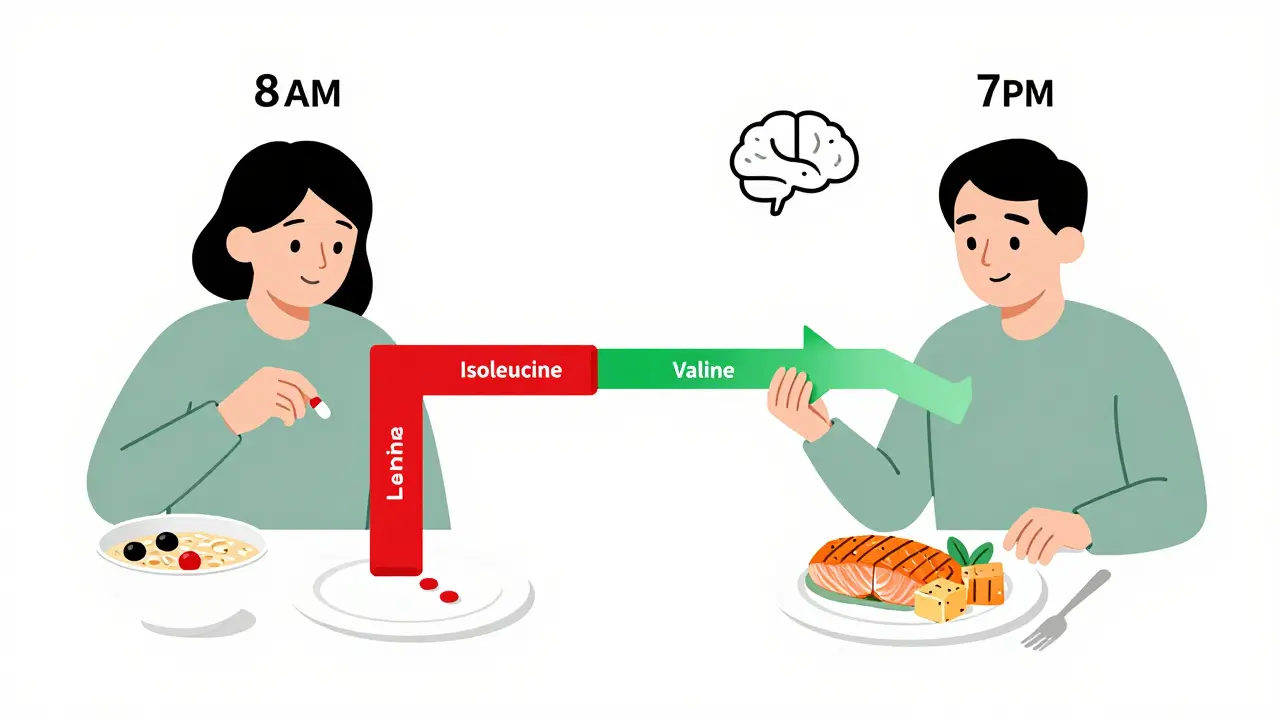
High-protein meals can block levodopa from reaching the brain in Parkinson’s patients, causing unpredictable motor fluctuations. Learn how protein timing, redistribution diets, and meal planning can restore medication effectiveness and improve daily mobility.
Published on Dec 9
12 Comments
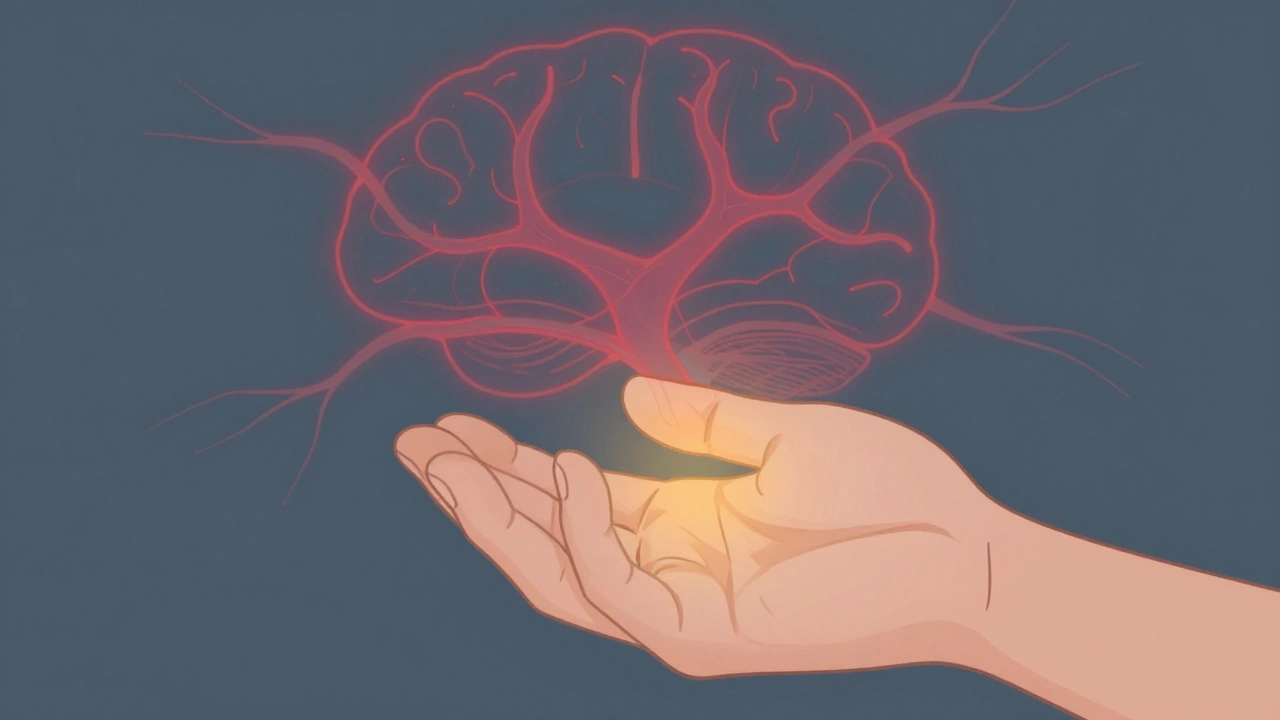
Parkinson’s disease causes tremor, stiffness, and slow movement due to dopamine loss in the brain. Dopamine replacement with levodopa is the most effective treatment, but long-term use brings challenges like wearing-off and dyskinesias. Learn how it works, what alternatives exist, and how to manage daily life with it.