
Levodopa: What It Is, How It Works, and What You Need to Know
When you hear levodopa, a medication that replaces dopamine in the brain to treat Parkinson’s disease. Also known as L-DOPA, it’s the gold standard for managing movement symptoms like tremors, stiffness, and slow motion. Unlike other drugs that just mask symptoms, levodopa goes straight to the source: your brain’s lack of dopamine. It’s not a cure, but for millions with Parkinson’s, it’s the difference between being stuck in place and being able to walk, talk, and live.
Levodopa doesn’t work alone. It’s almost always combined with carbidopa, a drug that stops levodopa from breaking down too early in the body. Without carbidopa, most of the levodopa gets used up before it reaches the brain, causing nausea and wasting the dose. Together, they let more levodopa get where it’s needed—making it more effective and easier to tolerate. This combo is sold under names like Sinemet and is taken by mouth, usually multiple times a day.
But levodopa isn’t simple. Over time, its effects can become unpredictable. Some people get sudden "on-off" swings—where they move well one minute and freeze the next. Others develop involuntary movements called dyskinesias. These aren’t side effects you can ignore. They signal it’s time to adjust the dose, timing, or add another medication. Your brain changes as Parkinson’s progresses, and so does how levodopa works. That’s why regular check-ins with your doctor aren’t optional—they’re essential.
Levodopa also interacts with other things you take. Protein-rich meals can block its absorption, which is why some people take it 30 minutes before eating. Iron supplements, certain antacids, and even vitamin B6 (in high doses) can reduce its effectiveness. And if you’re on antidepressants or blood pressure meds, you need to be careful—some combinations can cause dangerous spikes in blood pressure or serotonin overload.
It’s not just about pills. People on long-term levodopa often need to rethink daily routines. Morning stiffness? Try taking your first dose right when you wake up. Midday crash? A small snack with low protein might help. Trouble swallowing pills? Talk to your pharmacist—there are dispersible forms. Small changes, big impact.
There’s a lot of misinformation out there. Some think levodopa "wears out" your brain or makes Parkinson’s worse over time. That’s not true. What changes isn’t the drug—it’s the disease. The brain loses more dopamine-producing cells, so the same dose doesn’t last as long. That’s not failure. It’s progress. And with smart management, you can keep levodopa working well for years.
What you’ll find below are real, practical posts about how levodopa fits into daily life. You’ll see how it’s used with other drugs, what to watch for with long-term use, how diet affects it, and how people manage side effects without giving up their independence. These aren’t theory pages. They’re tools made by people who’ve been there—whether you’re just starting levodopa or have been on it for decades.
Published on Jan 13
15 Comments
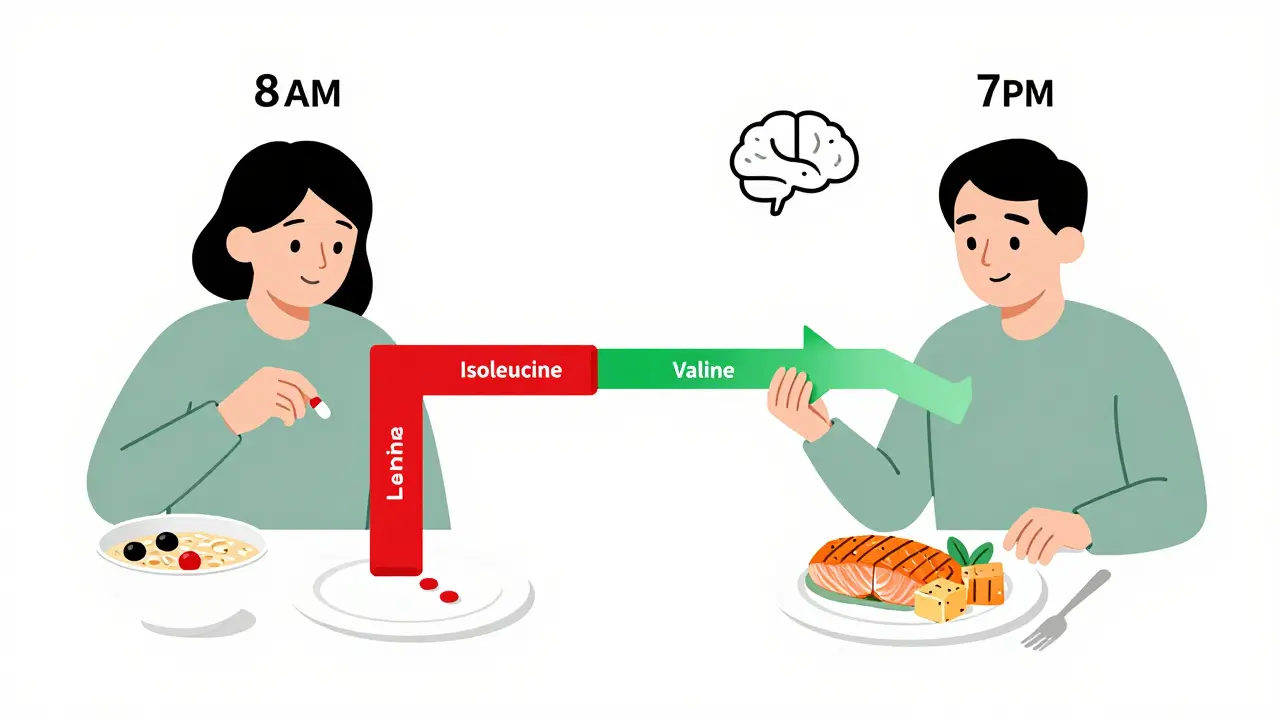
High-protein meals can block levodopa from reaching the brain in Parkinson’s patients, causing unpredictable motor fluctuations. Learn how protein timing, redistribution diets, and meal planning can restore medication effectiveness and improve daily mobility.
Published on Dec 9
12 Comments
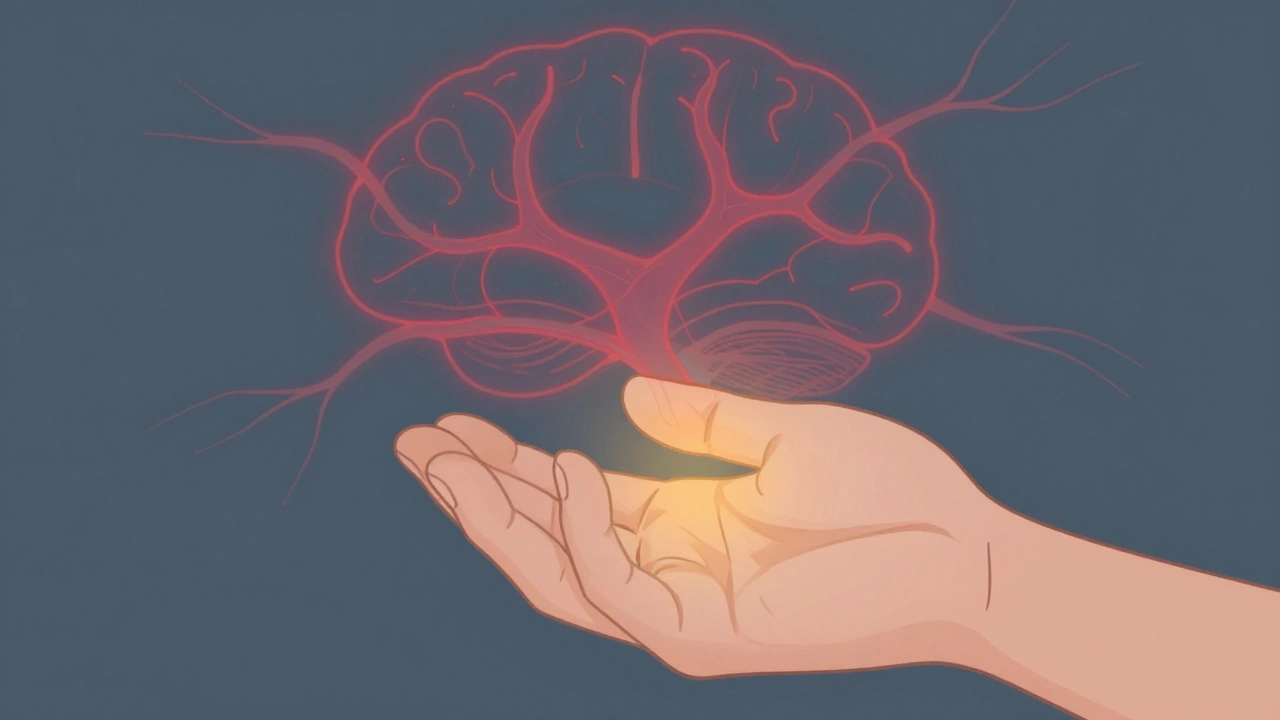
Parkinson’s disease causes tremor, stiffness, and slow movement due to dopamine loss in the brain. Dopamine replacement with levodopa is the most effective treatment, but long-term use brings challenges like wearing-off and dyskinesias. Learn how it works, what alternatives exist, and how to manage daily life with it.