
Warfarin Diet: What to Eat, Avoid, and Know About Blood Thinner Nutrition
When you're on warfarin, a blood thinner used to prevent clots in people with atrial fibrillation, artificial heart valves, or deep vein thrombosis. Also known as Coumadin, it works by blocking vitamin K’s role in clotting—but that’s exactly why your diet matters. Unlike other blood thinners, warfarin’s effect changes based on what you eat. One day your INR might be perfect, the next it spikes or drops—often because of something you had for lunch.
The biggest player in this game is vitamin K, a nutrient that helps your blood clot naturally and directly opposes warfarin’s action. Leafy greens like spinach, kale, and broccoli are packed with it. That doesn’t mean you can’t eat them—it means you need to eat about the same amount every week. Going from no spinach to three big salads a week can make your INR crash. Sticking to a steady intake keeps your dose stable and your risk of clots or bleeding low.
It’s not just greens. turmeric, a popular supplement often taken for inflammation, can boost warfarin’s effect dangerously. Real case reports show people on warfarin who started turmeric supplements ended up in the ER with INRs over 10. Same goes for cranberry juice, garlic supplements, and even some herbal teas. Alcohol? It can mess with how your liver processes warfarin—especially if you drink heavily or skip days. Consistency matters more than perfection.
You don’t need a special warfarin diet plan. You need a consistent diet. Eat your usual foods, but don’t suddenly add or cut out big sources of vitamin K. If you love kale, keep eating it. If you hate it, don’t force it. The goal isn’t to restrict—it’s to avoid surprises. Your doctor checks your INR because your body’s response to warfarin isn’t static. It shifts with food, illness, antibiotics, even sleep.
And yes, dental work, infections, or starting a new medication can throw things off. That’s why the posts below cover everything from how dental procedures affect warfarin to why turmeric supplements are a bad idea. You’ll find real advice from people who’ve lived with this—how they track their meals, what they do when they’re sick, and how they avoid ER visits. No fluff. No myths. Just what actually works when your life depends on keeping your INR in range.
Published on Dec 4
15 Comments
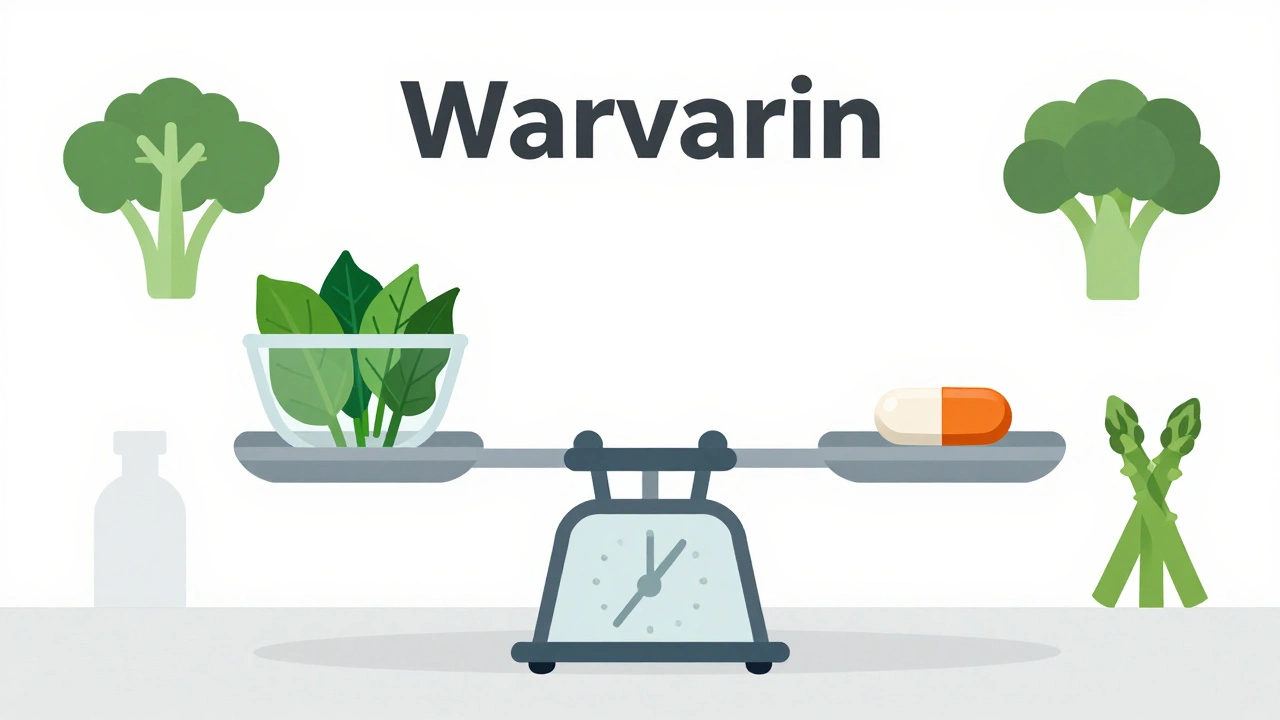
Learn how to eat vitamin K foods safely while on warfarin. Consistency-not restriction-is the key to stable INR levels and fewer emergency visits.