
Tremor: Causes, Treatments, and What You Can Do About It
When your hands shake without you asking them to, it’s not just annoying—it’s a sign something in your nervous system is off. A tremor, an involuntary, rhythmic muscle contraction that leads to shaking movements in one or more parts of the body. Also known as shaking, it can happen at rest, during movement, or even while holding a position—and it’s more common than most people think. Not every tremor means Parkinson’s. In fact, the most common type is essential tremor, a neurological disorder that causes shaking, usually in the hands, during simple tasks like drinking or writing. It’s often genetic, gets worse with stress or caffeine, and doesn’t always need treatment unless it gets in the way of daily life.
Then there’s Parkinson’s tremor, a resting tremor that starts in one hand and often spreads slowly, linked to dopamine loss in the brain. It’s different from essential tremor because it usually shows up when you’re not moving, and it’s often paired with stiffness or slow movement. But tremors don’t always come from the brain. Some are caused by medication-induced tremor, a side effect of drugs like antidepressants, asthma inhalers, or even high doses of thyroid medicine. If you started shaking after a new prescription, talk to your doctor—this kind can often be reversed by switching meds. Other triggers? Too much caffeine, alcohol withdrawal, low blood sugar, or even anxiety. It’s not always a brain disease—it’s often a body out of balance.
What works? For essential tremor, beta-blockers like propranolol or anti-seizure drugs like primidone help most people. For Parkinson’s, levodopa is the gold standard. But sometimes, the best fix isn’t a pill—it’s cutting back on coffee, managing stress, or using weighted utensils to steady your hands. Physical therapy can teach you control techniques that meds alone can’t. And if your tremor started after a head injury or is getting worse fast, don’t wait—get checked. Not all tremors are harmless.
You’ll find real stories here about people who learned to live with shaking hands, switched meds to stop the tremor, or discovered their tremor wasn’t what they thought. Some posts dig into how certain drugs cause shaking, others show what tests doctors actually run, and a few explain why some people respond to treatment while others don’t. This isn’t about fear—it’s about knowing what’s going on, what options you have, and how to take back control.
Published on Dec 9
12 Comments
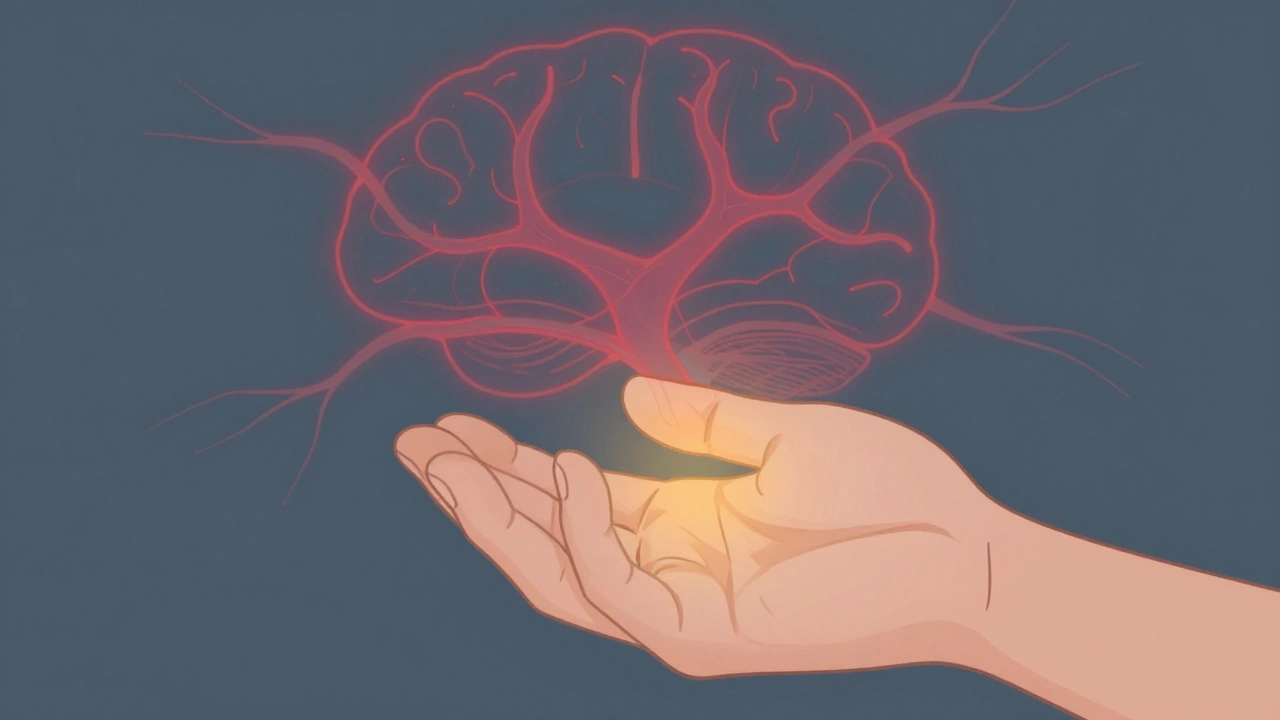
Parkinson’s disease causes tremor, stiffness, and slow movement due to dopamine loss in the brain. Dopamine replacement with levodopa is the most effective treatment, but long-term use brings challenges like wearing-off and dyskinesias. Learn how it works, what alternatives exist, and how to manage daily life with it.