
Phenytoin: What It Is, How It Works, and What You Need to Know
When you hear phenytoin, a long-standing anticonvulsant used to control seizures. Also known as Dilantin, it's one of the oldest seizure medications still in wide use today. Unlike newer drugs, phenytoin doesn’t just calm brain activity—it changes how nerve cells fire. It works by slowing down the electrical signals that cause seizures, making it a go-to for tonic-clonic and partial seizures. But it’s not a simple pill. Getting the dose right takes time, blood tests, and careful monitoring because the difference between too little and too much can be dangerous.
Phenytoin doesn’t work in isolation. It interacts with anticoagulants, like warfarin, which can lead to serious bleeding risks, and with antibiotics, including some that alter how your liver processes the drug. Even something as simple as a change in your diet or switching from brand to generic can throw off your levels. That’s why so many of the posts here focus on medication safety, substitution laws, and how to spot hidden risks—because phenytoin’s narrow therapeutic window means small changes have big consequences. It’s also why you can’t just take it and forget it. You need to track side effects like dizziness, gum swelling, or unexplained bruising. Some people develop rashes or liver issues, and those aren’t always obvious until it’s too late.
What you’ll find in this collection isn’t just a list of articles—it’s a roadmap for staying safe with phenytoin. You’ll see how pharmacy substitution laws can affect your dose, why certain supplements like turmeric or GABA might interfere, and how to recognize when your body isn’t handling the drug well. There’s also real talk about what happens when you miss a dose, how to talk to your doctor about side effects, and why some people need to avoid it entirely due to genetic factors. This isn’t theory. These are the exact issues people face every day while managing epilepsy or other neurological conditions with phenytoin. Whether you’re new to the drug or have been on it for years, the information below will help you ask the right questions, avoid common traps, and take control of your treatment.
Published on Dec 1
14 Comments
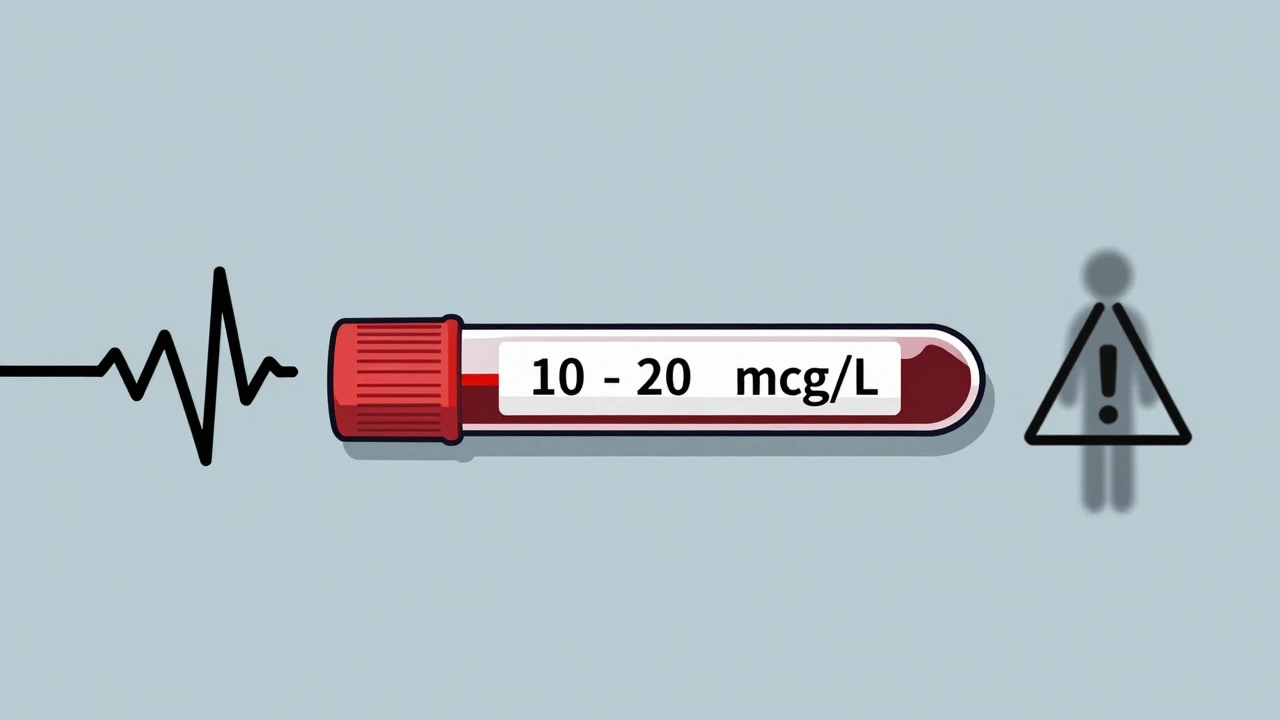
Switching generic phenytoin brands can be dangerous due to its narrow therapeutic window and non-linear metabolism. Learn when and how to monitor blood levels, correct for low albumin, and avoid toxicity or seizures.