
Narrow Therapeutic Index: What It Means and Why It Matters for Your Medications
When a drug has a narrow therapeutic index, the range between an effective dose and a toxic one is very small. Also known as a narrow therapeutic window, this means even a tiny mistake in dosage can lead to serious harm—or even death. It’s not about how strong the drug is. It’s about how little room you have to breathe before things go wrong.
Drugs like warfarin, digoxin, lithium, and phenytoin all fall into this category. Take too little warfarin, and your blood might clot dangerously. Take too much, and you could bleed internally without warning. That’s why people on these meds need regular blood tests—like INR checks for warfarin—and why pharmacists double-check prescriptions. It’s not bureaucracy. It’s survival.
This isn’t just about pills. It’s about how your body reacts. Two people can take the same dose of a narrow therapeutic index drug and have completely different outcomes. One might feel fine. The other might end up in the hospital. Why? Because age, liver function, other meds, even what you eat can shift the balance. A bowl of spinach can mess with warfarin. A new antibiotic can turn a safe lithium dose into a poison. That’s why consistency matters more than perfection.
You don’t need to be a doctor to protect yourself. Just know which of your meds have a narrow therapeutic index. Ask your pharmacist. Keep a list. Don’t switch brands without checking—some generics aren’t interchangeable for these drugs. And never adjust your dose based on how you feel. These meds don’t work like painkillers. You can’t feel the difference between 0.5 mg and 0.7 mg of digoxin until it’s too late.
The posts below cover real situations where this tiny margin of safety makes a huge difference. You’ll find guides on managing warfarin with food, spotting dangerous supplement interactions, understanding pharmacy substitution rules that could put you at risk, and how to build a personal safety checklist to catch errors before they happen. These aren’t theory pieces. They’re lived experiences—from people who’ve been through it, and experts who’ve seen the fallout when things go wrong.
Published on Dec 1
14 Comments
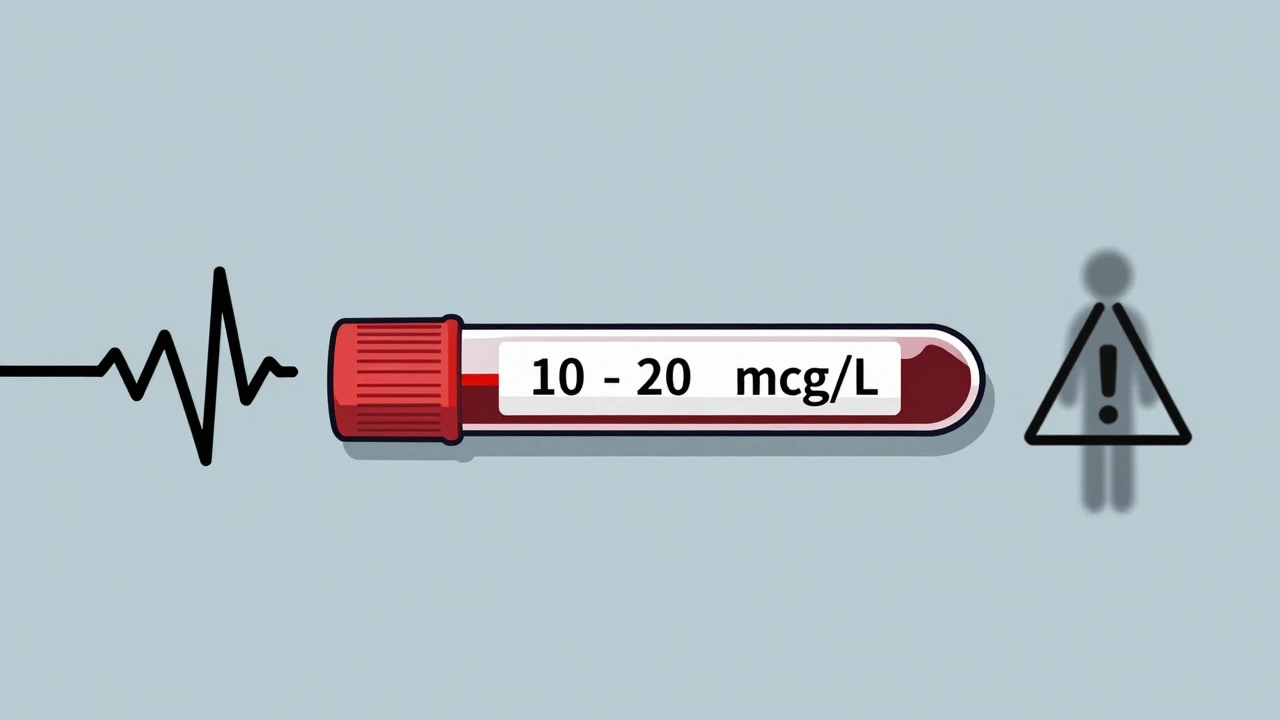
Switching generic phenytoin brands can be dangerous due to its narrow therapeutic window and non-linear metabolism. Learn when and how to monitor blood levels, correct for low albumin, and avoid toxicity or seizures.