
DOACs: What You Need to Know About Direct Oral Anticoagulants
When you hear DOACs, Direct Oral Anticoagulants, a class of modern blood-thinning medications used to prevent strokes and blood clots. Also known as novel oral anticoagulants, they’ve replaced warfarin for millions because they don’t need constant blood tests or strict diet rules. But they’re not magic pills—getting them wrong can be dangerous.
DOACs include drugs like apixaban, rivaroxaban, dabigatran, and edoxaban. Each works differently than warfarin. Warfarin blocks vitamin K, which is why your greens matter. DOACs skip that step—they directly block clotting factors in your blood. That’s why you don’t need to track your INR. But it also means there’s no easy way to reverse them if you bleed. And yes, bleeding is the biggest risk. Real cases show people ending up in the ER after taking a DOAC with ibuprofen or turmeric. Even a small fall can turn serious.
Not everyone is a candidate. If you have bad kidney function, a history of stomach ulcers, or are over 80, your doctor needs to weigh the benefits carefully. DOACs aren’t always better than warfarin—they’re just different. Some people do better on warfarin, especially if they’ve been on it for years and their levels are stable. Switching isn’t automatic. And if you’re on a DOAC, you can’t just stop it before surgery. You need a plan. That’s why so many posts here talk about drug interactions, safety checklists, and how to talk to your pharmacist.
You’ll find posts that explain how DOACs relate to other blood thinners like warfarin, what foods or supplements can mess with them, and how to avoid dangerous mix-ups with painkillers or herbal products. There’s also advice on what to do if you miss a dose, how to handle dental work, and why some people need extra monitoring. These aren’t theoretical discussions—they’re based on real patient experiences and clinical data.
If you’re on a DOAC, or thinking about one, this collection gives you the practical stuff you won’t get from a drug label. No fluff. Just what you need to stay safe and understand what’s really happening in your body.
Published on Mar 11
13 Comments
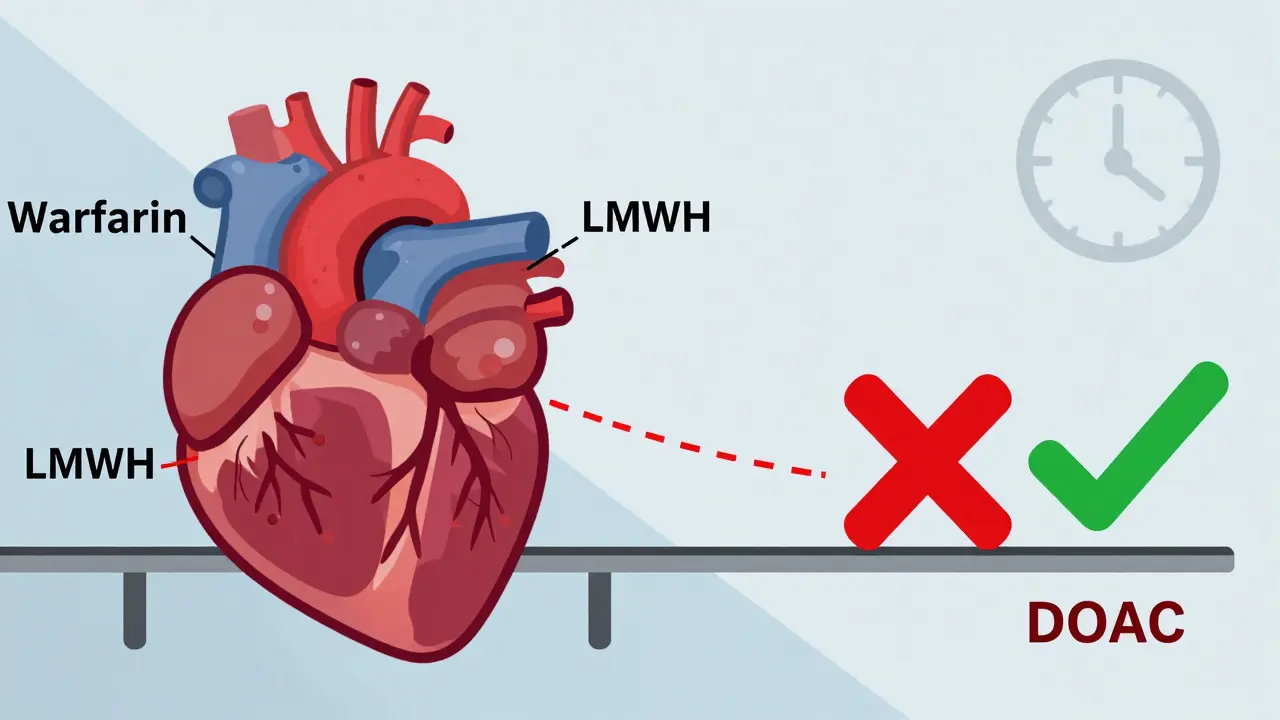
Learn when bridging therapy is truly needed to safely switch between blood thinners-and why most people don’t need it anymore. Evidence-based guidance for warfarin and DOAC users.
Published on Dec 1
8 Comments

Learn the latest guidelines on dental procedures while taking blood thinners. Discover when to stop or keep your medication, how dentists control bleeding, and what you should do before and after your appointment.