
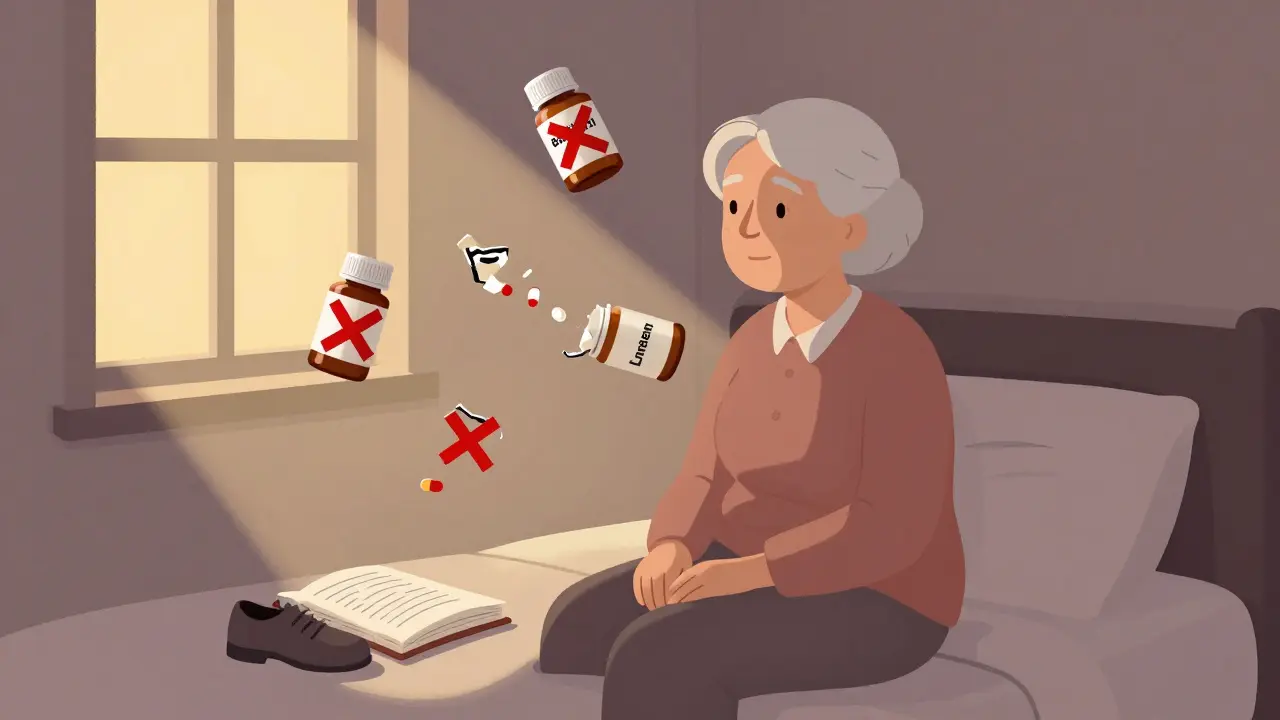
More than half of adults over 65 struggle to sleep well. It’s not just about aging - it’s often about what we’re told to take to fix it. Prescription sleep aids, over-the-counter pills, even antihistamines passed off as sleep helpers - these are everywhere. But for seniors, they come with hidden dangers that aren’t talked about enough. Falling. Confusion. Memory loss. Even a higher chance of dementia. The truth is, many of the most common sleep medications used by older adults are riskier than we think. And there are far safer ways to get restful sleep without reaching for a pill.
Why Sleep Medications Are Risky for Seniors
As we age, our bodies change. Liver and kidney function slow down. Fat increases, muscle mass decreases. That means drugs stick around longer and hit harder. A dose that’s safe for a 40-year-old can be dangerous for someone over 65. The American Geriatrics Society has been clear since 1991: certain sleep drugs should be avoided in older adults. Their 2019 update, called the Beers Criteria, lists 10 specific medications as potentially inappropriate. These include benzodiazepines like diazepam and alprazolam, and Z-drugs like zolpidem (Ambien) and eszopiclone (Lunesta).
Why? Because these drugs don’t just help you fall asleep - they dull your brain. That leads to dizziness, slower reaction times, and poor balance. A 2012 study found that seniors on long-acting benzodiazepines like flurazepam had a 50% higher chance of falling. Falls are the leading cause of injury-related death in older adults. One fall can mean a broken hip, months in rehab, or even permanent disability.
And it’s not just falls. A 2014 study in the BMJ linked long-term benzodiazepine use to a 51% increased risk of Alzheimer’s disease. The risk jumped to 84% for those who used them for more than six months. Even newer drugs like zolpidem aren’t safe. The FDA issued a safety alert in 2017 showing zolpidem increased fall risk by 30% in seniors. A 2021 study in JAMA Internal Medicine found lemborexant (Dayvigo) caused less postural instability than zolpidem - but it’s still a sedative. Any drug that makes you drowsy can make you fall.
The Drugs to Avoid - And Why
Here are the sleep medications that experts say seniors should avoid as first-line treatments:
- Benzodiazepines - triazolam (Halcion), flurazepam (Dalmane), lorazepam (Ativan). These are old, long-lasting, and stick in the body. They cause next-day grogginess, memory gaps, and confusion.
- Z-drugs - zolpidem (Ambien), eszopiclone (Lunesta), zaleplon (Sonata). Developed to be safer, but still carry fall and cognitive risks. Zolpidem is the most prescribed sleep drug in seniors - and one of the most dangerous.
- Antihistamines - diphenhydramine (Benadryl), doxylamine (Unisom). Sold as OTC sleep aids, these have strong anticholinergic effects. They’re linked to higher dementia risk and can cause urinary retention, dry mouth, and constipation.
- Trazodone - often prescribed off-label for sleep. While not a sedative-hypnotic, it can cause dizziness, low blood pressure, and fainting. Nursing home staff report increased nighttime wandering in residents on trazodone.
These drugs are still prescribed because they’re cheap and easy. But they’re not the answer. The side effects often outweigh the benefits.
The Safer Alternatives
There are better options - and they don’t come in a pill bottle.
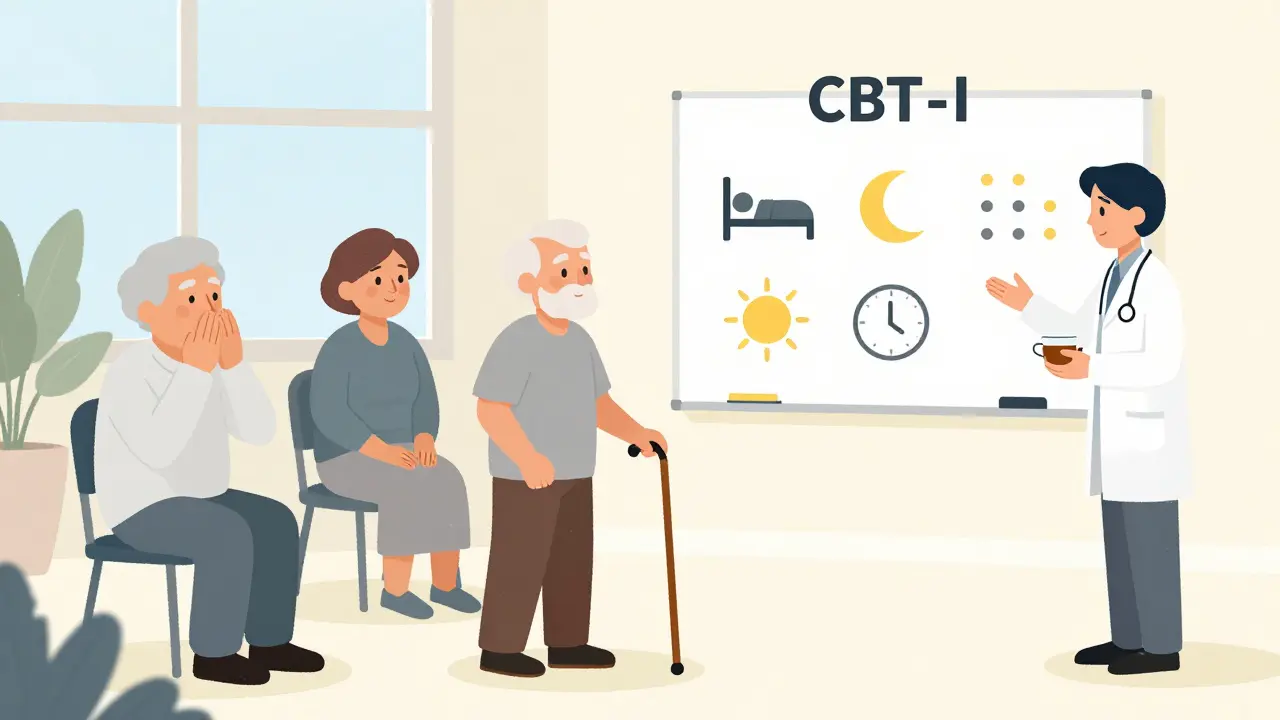
Cognitive Behavioral Therapy for Insomnia (CBT-I) is the gold standard. The American Academy of Sleep Medicine says it should be the first treatment for chronic insomnia in older adults. CBT-I isn’t about counting sheep. It’s about changing habits. Sessions teach you how to:
- Restrict time in bed to match actual sleep time
- Use the bed only for sleep and sex - no TV, no phone
- Challenge negative thoughts like “I’ll never sleep again”
- Build a consistent sleep schedule
A 2019 study in JAMA Internal Medicine found that telehealth CBT-I helped 57% of seniors over 60 fully recover from insomnia. And 89% stuck with it. One user on AgingCare.com said, “After 6 weeks of CBT-I, I cut my Lunesta from 2mg to as-needed - and sleep better than I have in 20 years.”
If you need medication, here are the safest options:
- Low-dose doxepin (Silenor) - 3 to 6 mg. This is an old antidepressant used in tiny doses for sleep. It doesn’t cause next-day grogginess or increase fall risk. A 2010 study showed it improved total sleep time by nearly 30 minutes with side effects no worse than placebo.
- Ramelteon (Rozerem) - 8 mg. This works on melatonin receptors, not GABA. It doesn’t cause dependence or withdrawal. It cuts sleep onset time by about 14 minutes. No next-day impairment.
- Lemborexant (Dayvigo) - 5 mg. A newer orexin blocker. A 2020 study in Sleep Medicine found seniors on lemborexant scored better on cognitive tests than those on zolpidem. It’s more expensive, but safer.
- Melatonin - 2 to 5 mg. Not a drug, but a hormone. Helps reset your internal clock. Best for circadian rhythm issues, like delayed sleep phase. Doesn’t improve sleep maintenance much.
None of these are perfect. But they’re far safer than what’s commonly prescribed.
The Cost of Safety
Here’s the catch: the safest options often cost more.
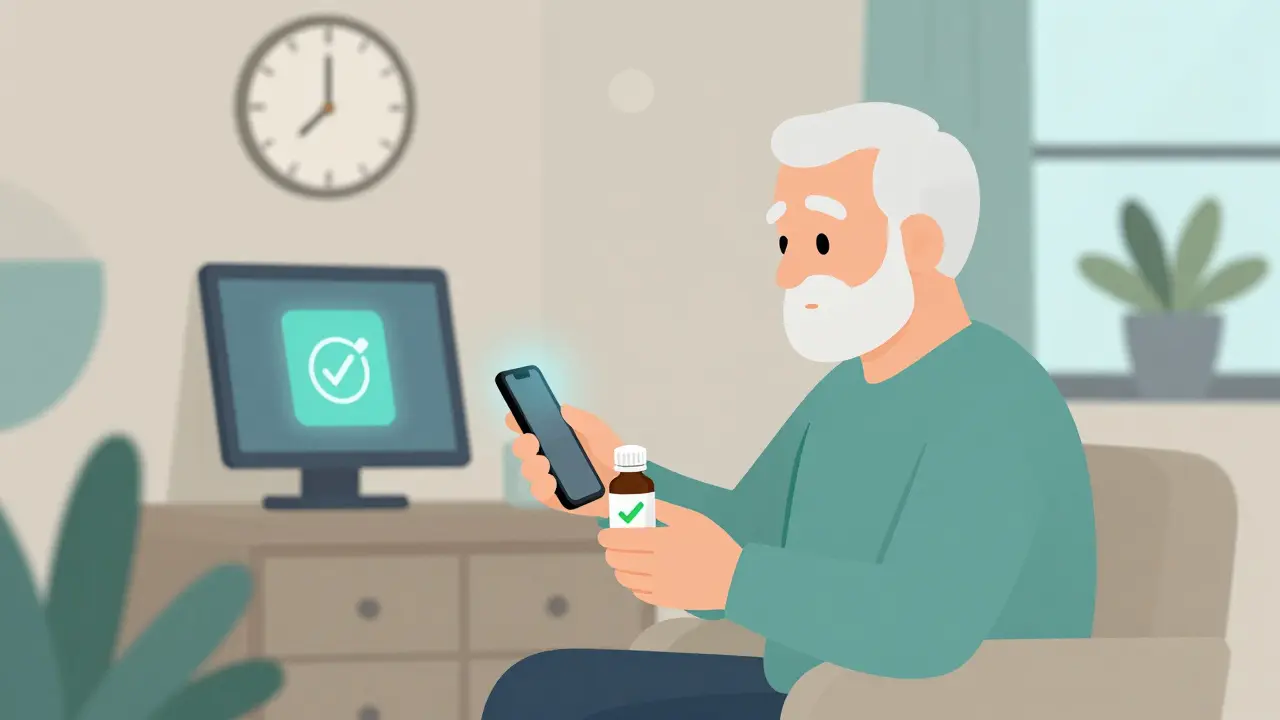
Generic zolpidem (Ambien) costs about $15 a month. Low-dose doxepin (Silenor) runs $400 without insurance. Ramelteon and lemborexant aren’t available as generics yet. Many seniors can’t afford them. That’s why so many end up on cheap, dangerous drugs.
But here’s the truth: falling, breaking a hip, or developing dementia costs far more than a pill. Hospital stays, rehab, long-term care - these add up fast. A single fall can cost over $30,000. And that’s just the medical bill. The loss of independence? That’s priceless.
Some insurance plans cover CBT-I. Medicare now covers sleep therapy for insomnia under certain conditions. Ask your doctor. Ask your pharmacist. Don’t assume it’s not covered.
What to Do If You’re Already on a Sleep Med
If you or a loved one is on a sleep medication, don’t stop cold turkey. That can cause rebound insomnia, anxiety, or even seizures.
The STOPP/START guidelines recommend tapering slowly - over 4 to 8 weeks. Work with your doctor. Here’s how:
- Track your sleep for a week. How many nights do you actually use the pill? Are you sleeping better without it on weekends?
- Ask your doctor about switching to a safer alternative like low-dose doxepin or ramelteon.
- If you’re on a benzodiazepine or Z-drug, start reducing the dose by 10-25% every 1-2 weeks.
- Start CBT-I at the same time. It helps your brain relearn how to sleep without drugs.
- Monitor for withdrawal: increased anxiety, restlessness, trouble sleeping. These are normal and temporary.
One woman on Reddit shared her story: “Mom broke her hip after taking Ambien. We switched her to CBT-I and melatonin. Six months later, she sleeps better, moves better, and hasn’t fallen once.”
Non-Medication Strategies That Actually Work
You don’t need a prescription to improve sleep. Here’s what works:
- Light exposure - Get 30 minutes of natural sunlight in the morning. It regulates melatonin.
- Evening routine - No screens 90 minutes before bed. Cool, dark, quiet room.
- Exercise - Even light walking 30 minutes a day improves sleep quality. Do it in the morning or afternoon, not right before bed.
- Limit caffeine - After 2 p.m., avoid coffee, tea, soda, chocolate.
- Don’t nap - If you must, keep it under 20 minutes and before 3 p.m.
- Check for sleep apnea - Snoring, gasping, daytime fatigue? Get tested. It’s common in seniors and treatable.
A 2023 study in JAMA Neurology found that digital CBT-I apps like Sleepio worked just as well as in-person therapy for seniors. Free or low-cost apps are now available through Medicare and VA programs.
Final Thoughts
Sleep isn’t a problem to be fixed with a pill. It’s a signal - your body telling you something’s off. Stress. Pain. Light exposure. Routine. Anxiety. Those are the real issues. Medications mask them. They don’t fix them.
For seniors, the safest sleep strategy isn’t a new drug. It’s a better routine. It’s therapy. It’s sunlight. It’s movement. It’s patience.
The pills are tempting. They’re easy. But they’re not worth the risk. Your brain, your balance, your independence - those are worth fighting for.
Are over-the-counter sleep aids safe for seniors?
No, most aren’t. Diphenhydramine (Benadryl) and doxylamine (Unisom) are common in OTC sleep aids, but they’re anticholinergic drugs. These block a brain chemical called acetylcholine, which is already lower in older adults. This can lead to confusion, memory loss, urinary retention, and a higher risk of dementia. Studies show long-term use increases dementia risk by up to 50%. These should be avoided.
Can CBT-I really work for older adults?
Yes - and better than medication for many. A 2019 study in JAMA Internal Medicine showed 57% of seniors over 60 fully recovered from insomnia after telehealth CBT-I. Unlike drugs, CBT-I doesn’t wear off. It teaches lasting skills. People who complete CBT-I often stop needing medication altogether. It’s covered by Medicare and many private insurers.
What’s the safest sleep medication for seniors?
Low-dose doxepin (3-6 mg) and ramelteon (8 mg) are the safest options. Doxepin improves sleep without causing dizziness or next-day grogginess. Ramelteon works naturally with your body’s melatonin system and has no risk of dependence or withdrawal. Both have minimal side effects compared to benzodiazepines or Z-drugs. Lemborexant is also safer than zolpidem but costs more.
Why do doctors still prescribe risky sleep meds?
Because it’s fast, cheap, and familiar. A doctor might not have time for a 6-week CBT-I program. A pill is easier than changing a lifetime of habits. Also, many drug labels don’t give clear guidance for seniors - they just say “use with caution.” Meanwhile, zolpidem and trazodone are inexpensive generics. But the risks - falls, dementia, confusion - are real and long-lasting.
How can I help an elderly parent stop using sleep meds?
Start by talking to their doctor. Don’t stop the medication suddenly. Ask for a tapering plan over 4-8 weeks. Replace it with CBT-I - many programs offer telehealth options. Improve sleep hygiene: morning sunlight, no screens at night, consistent bedtime. Track sleep with a journal. Celebrate small wins. It takes time, but the payoff - fewer falls, clearer thinking, more independence - is worth it.