
Medication Adherence Impact Calculator
Digital pills help track medication adherence and detect side effects. This calculator shows how improving adherence rates can impact healthcare costs and outcomes. Based on WHO data, medication non-adherence costs the U.S. healthcare system $100-$290 billion annually.
Potential Impact of Improved Adherence
Based on WHO data: $100-$290 billion annual cost of medication non-adherence in the U.S.
Imagine swallowing a pill and knowing, with absolute certainty, that it was taken - not just by you, but by your body. Not guesswork. Not a calendar check. Not a reminder app. But real-time, biological proof that the medication entered your system. That’s not science fiction. It’s happening today, with digital pill sensors.
What Exactly Is a Digital Pill?
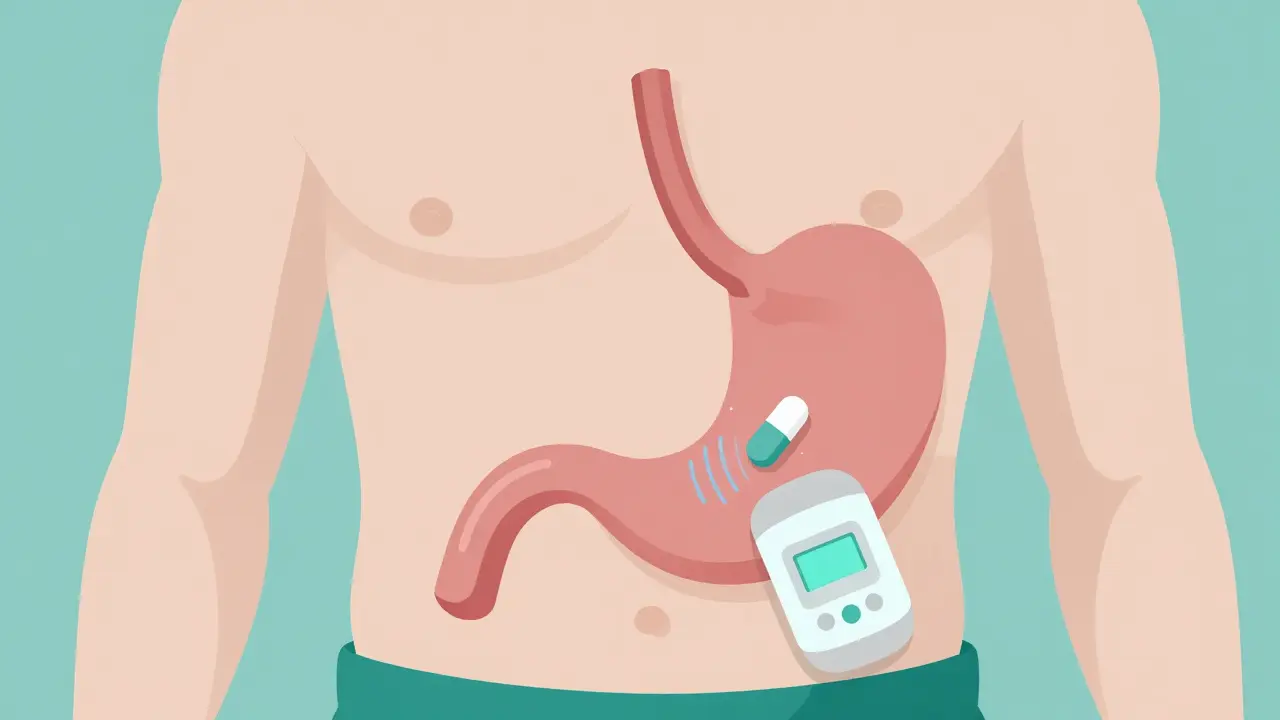
A digital pill isn’t just medicine. It’s a drug-device combo. Inside the pill, there’s a tiny sensor - about the size of a grain of sand - made of copper and magnesium. When it hits stomach acid, it activates. No battery needed. The acid triggers a tiny electric current, which sends a unique signal to a patch you wear on your skin, usually on your abdomen. That patch then relays the data to your phone or your doctor’s system. The pill itself still does its job - whether it’s lowering blood pressure, stabilizing mood, or fighting infection. The sensor just whispers, "I was swallowed." The first one approved by the FDA was Abilify MyCite in 2017. It contained aripiprazole, used for schizophrenia and bipolar disorder. Since then, systems from etectRx, Philips, and Proteus have followed. They’re not just for mental health anymore. They’re being tested in HIV treatment, diabetes, heart disease, and even tuberculosis. The goal? Fix the biggest problem in chronic illness: people not taking their meds.Why Does Medication Adherence Matter So Much?
Half of all people with long-term conditions like high blood pressure, diabetes, or depression skip doses. Sometimes they forget. Sometimes they can’t afford it. Sometimes they feel fine and think they don’t need it anymore. The World Health Organization says this costs the U.S. healthcare system between $100 billion and $290 billion every year. That’s not just money. It’s hospital visits. It’s complications. It’s lives shortened. Digital pills solve this by removing the guesswork. In one 12-week study of people with schizophrenia, adherence jumped from 62% to 84% when they used a digital pill system. Why? Because seeing the data changed behavior. One patient on Reddit said, "Seeing the records made me realize I was skipping doses on weekends." Another said, "It felt like my psychiatrist was watching me swallow pills." Both are true. That’s the power - and the tension - of this tech.How Do These Sensors Actually Work?
Let’s break down the three pieces:- The ingestible sensor: A 5mm disk, silicon-coated, with copper and magnesium electrodes. It activates in stomach acid. Generates 1-2 volts of power. No batteries. No charging.
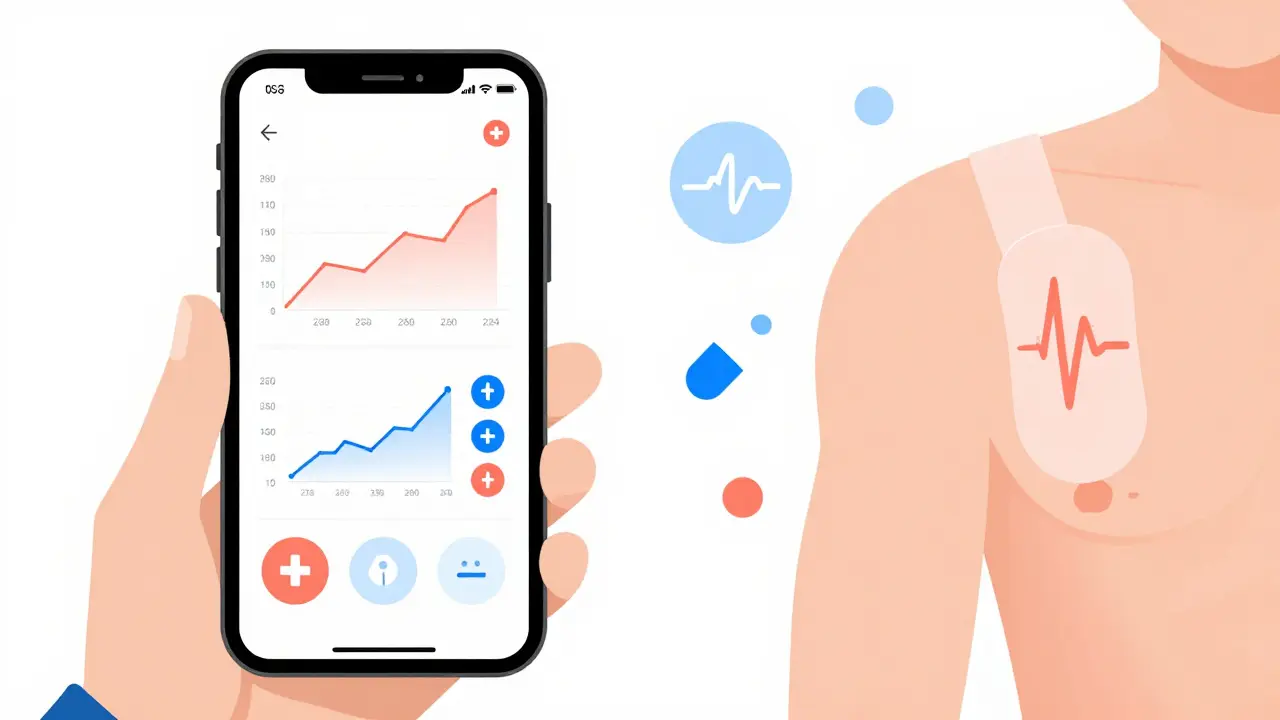
- The wearable patch: Worn on the skin. Uses Bluetooth Low Energy (BLE) to catch the signal from the pill. Also tracks heart rate (within ±2 beats per minute) and steps. Battery lasts about 72 hours.
- The app and cloud platform: The data goes to your phone, then to a secure server. Doctors get dashboards showing exactly when pills were taken - and when they weren’t.
Can These Pills Detect Side Effects?
This is where things get really interesting. Early systems only tracked ingestion. But the latest versions? They’re doing more. The IntelliCap system from Philips can monitor stomach pH and temperature in real time. etectRx’s ID-Cap system is being upgraded to detect changes in heart rhythm or activity patterns that might signal a side effect - like dizziness from a blood pressure drug, or nausea from chemotherapy. A 2023 FDA approval for a digital pill used in tuberculosis treatment included side effect monitoring. Researchers are now training AI models to predict adverse reactions. IBM Watson Health partnered with etectRx in late 2023 to build algorithms that flag potential side effects before the patient even notices them. For example: if your step count drops suddenly, your heart rate spikes at night, and you skipped a dose - the system might suggest you’re experiencing early signs of a reaction. It’s not perfect. These systems can’t measure drug levels in your blood. They can’t tell if the pill was absorbed. They just know it was swallowed. But they’re getting closer. By 2026, experts predict 60% of digital pill systems will include side effect detection as a core feature.Who’s Using This - and Why?
Right now, most digital pills are used in clinical trials. About 78% of deployments are in research settings. Pharmaceutical companies use them to prove their drugs work - and to catch adherence issues that could skew trial results. In clinics, mental health leads the way. Why? Because non-adherence here is deadly. Missing doses of antipsychotics can lead to relapse, hospitalization, or worse. That’s why 47% of current uses are in psychiatry. HIV treatment comes second (18%), where missing doses can lead to drug-resistant strains. Cardiovascular disease (15%) and diabetes (9%) are next. Only 12% of uses are direct-to-consumer. Why? Insurance won’t pay for it. Medicare and private insurers don’t yet reimburse for digital pills. So unless you’re in a trial, or your doctor can justify it as medically necessary, you’re paying out of pocket - and that’s expensive. A single course can cost hundreds of dollars.The Real Problems: Privacy, Cost, and Comfort
This isn’t a magic fix. It’s a trade-off. Privacy is the #1 concern. In one survey, 73% of hesitant patients worried about their data being misused. Could an insurer raise your rates if they see you’re skipping meds? Could an employer find out you’re on antidepressants? HIPAA protects data in the U.S., but 14 states have added extra rules. Still, the fear lingers. Then there’s the patch. About 22% of users in trials quit because the adhesive irritated their skin. The patch has to stay on for days. If you sweat a lot, shower often, or have sensitive skin - it’s a problem. Older adults struggle too. In geriatric trials, 38% of patients over 65 needed help connecting the patch to their phone. If you’re not tech-savvy, this system adds stress, not relief. And signal loss? It happens. In real-world use, 8-12% of transmissions fail. For people with higher BMI, it’s up to 18%. The sensor might be in the wrong position in the stomach. A phone might be in another room. A microwave might interfere. It’s not flawless.
What’s Next for Digital Pills?
The market is growing fast. It was worth $628 million in 2022. By 2029, it could hit $2.4 billion. That’s a 21% annual growth rate. Future versions will likely include:- Electrochemical sensors that detect biomarkers in stomach fluid - like glucose or inflammation markers.
- AI that predicts when you’re likely to miss a dose - based on your schedule, weather, sleep, even your phone usage.
- Smaller, more comfortable patches that last longer.
- Integration with smart inhalers, insulin pens, and other devices for a full picture of your health.
Should You Use One?
If you’re managing a serious condition - schizophrenia, HIV, post-transplant meds - and you’ve struggled with adherence, this could be life-changing. Talk to your doctor. Ask if you qualify for a trial. Ask if your insurance covers it. If you’re healthy and just want to "track your meds," skip it. The cost, the hassle, the privacy trade-offs aren’t worth it. If you’re a caregiver for someone who forgets pills - this could help. But only if they’re willing. Coercion backfires. The tech works best when the patient wants it.Final Thought: It’s Not About Surveillance. It’s About Support.
Digital pills aren’t about watching you. They’re about helping you. They turn vague guilt - "I should’ve taken my pill" - into clear insight: "I took it on Monday, skipped Tuesday, remembered Wednesday." That’s not judgment. That’s awareness. The real win? When a doctor sees you missed three doses last week - not because you’re lazy, but because you were sick, or your pharmacy ran out, or you lost your phone - they can adjust your plan. Maybe switch to a weekly injection. Maybe add a family member to the app. Maybe just call you. This tech doesn’t fix adherence. It reveals why it’s broken. And that’s the first step to fixing it.Are digital pills safe to swallow?
Yes. The sensors are made of materials already used in medical devices - copper, magnesium, and silicon. They’re designed to pass through your digestive system naturally and exit with your stool. They don’t dissolve, leak, or cause harm. Over 10,000 doses have been swallowed in clinical trials with no serious side effects from the sensor itself.
Can digital pills tell if I actually absorbed the medication?
No. They only confirm the pill was swallowed. They can’t measure drug levels in your blood or whether it reached your bloodstream. That’s still done through blood tests. But newer versions are being developed to detect biomarkers in stomach fluid that may hint at absorption - still experimental, though.
Do I need a smartphone to use a digital pill?
Yes. The wearable patch connects to a smartphone app via Bluetooth. The app sends data to the cloud. If you don’t have a smartphone, or can’t use one, this system won’t work. Some systems offer a base station that connects to Wi-Fi, but those are rare and usually only available in clinical trials.
Is this covered by insurance?
Very rarely. Most insurance plans, including Medicare and Medicaid, don’t cover digital pills yet. They’re considered experimental or supplemental. A few private insurers cover them for specific high-risk cases, like post-transplant patients. Always check with your provider before starting.
Can my doctor see my data in real time?
It depends on the system and your consent. Most platforms let you choose who sees your data. You can set it so only your doctor gets alerts when you miss a dose, or you can allow your family to see your adherence history. You control the permissions. But if you’re in a clinical trial, your research team will have access by default.
How long does the sensor last in my body?
The sensor activates only once - when it hits stomach acid. It transmits for a few hours, then shuts down. It passes through your digestive system and is excreted in your stool within 24 to 72 hours. It doesn’t stay in your body. You don’t need to retrieve it.
Are there alternatives to digital pills for tracking adherence?
Yes. Smart pill bottles that record when opened, smartphone reminder apps, weekly pill organizers with alarms, and direct observation by caregivers are all options. But none offer the same level of certainty as a digital pill - because they can’t prove you swallowed the pill, only that you opened the bottle or pressed a button.
What happens if I don’t wear the patch?
If you don’t wear the patch, the sensor still activates and sends a signal - but there’s no device nearby to catch it. The system will record a missed ingestion. Your doctor will see you didn’t take the pill. The patch isn’t optional if you want to track your adherence. It’s the receiver.
Aboobakar Muhammedali
December 21, 2025 AT 10:34anthony funes gomez
December 23, 2025 AT 03:34Laura Hamill
December 23, 2025 AT 15:20Alana Koerts
December 25, 2025 AT 02:42James Stearns
December 25, 2025 AT 12:44Guillaume VanderEst
December 26, 2025 AT 12:04Dominic Suyo
December 28, 2025 AT 05:47Alisa Silvia Bila
December 30, 2025 AT 04:07Marsha Jentzsch
December 30, 2025 AT 19:23Hussien SLeiman
December 30, 2025 AT 23:26mary lizardo
December 31, 2025 AT 08:10jessica .
December 31, 2025 AT 08:37Connie Zehner
January 1, 2026 AT 02:27Tim Goodfellow
January 1, 2026 AT 21:31