
Bacterial skin infections are among the most common skin issues worldwide, affecting millions each year. However, not all infections are the same. Two major types-impetigo and cellulitis-require different treatments to avoid complications. Impetigo is highly contagious and often affects children, while cellulitis can become life-threatening if untreated. Understanding these differences is crucial for proper care.
Understanding Impetigo
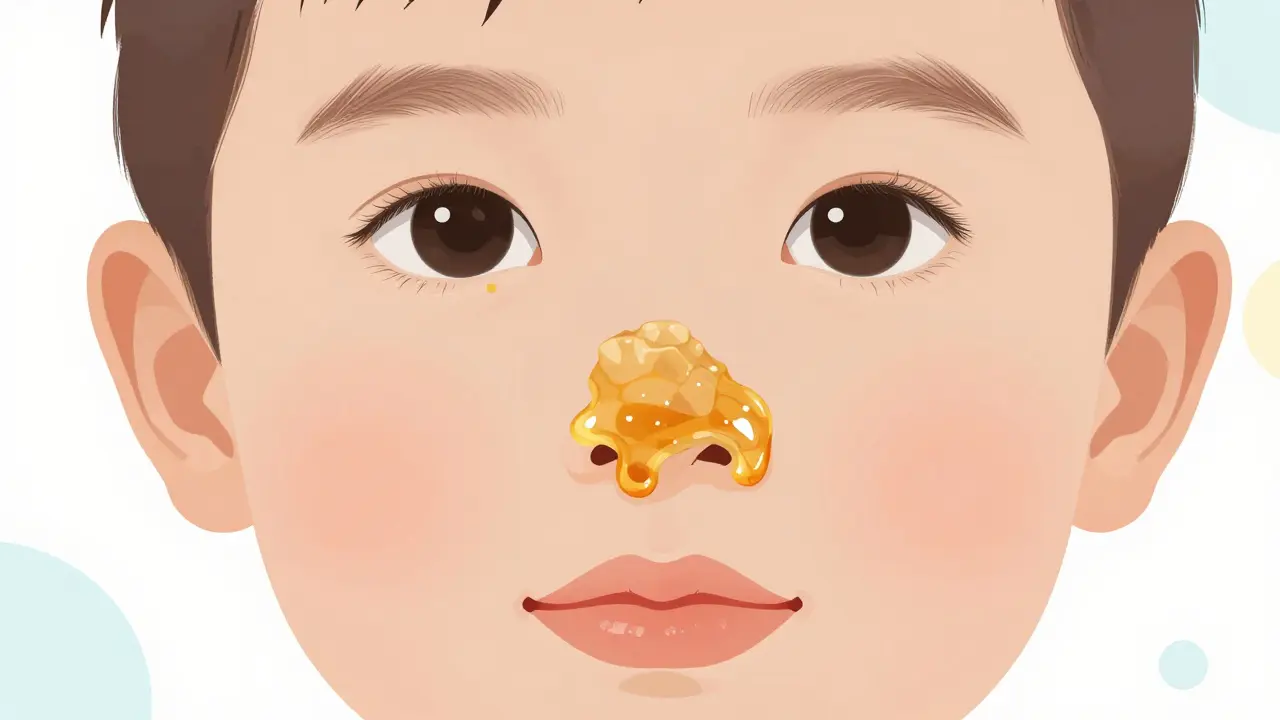
Impetigo is a superficial bacterial infection that primarily targets the top layer of skin (epidermis). It's commonly called 'school sores' because it spreads easily among children aged 2-5. The nonbullous form makes up about 70% of cases, starting as small red spots that quickly turn into blisters or pustules. These burst within 24-48 hours, leaving moist red areas that develop a honey-colored crust over a week. Bullous impetigo, affecting infants under 2, forms larger blisters (2-5 cm) that rupture easily, leaving a ring-like border.
Staphylococcus aureus causes 80-90% of impetigo cases today, often combined with Streptococcus pyogenes. Most strains produce penicillinase, making penicillin ineffective in 68% of cases. According to the Mayo Clinic, 75% of impetigo lesions appear on the face, especially around the nose and mouth.
Impetigo spreads through direct contact or sharing towels and toys. The World Health Organization reports 162 million global cases annually, with tropical regions seeing 15-20% of children affected. Kids become non-contagious within 24 hours of starting antibiotics, but schools often require them to stay home until sores are dry and crusted.
Understanding Cellulitis
Cellulitis is a deeper bacterial infection that penetrates the dermis and subcutaneous tissue. Unlike impetigo, it's not contagious and usually starts from a small cut, insect bite, or fungal infection like athlete's foot. The infection causes redness, warmth, swelling, and tenderness in the affected area. Crucially, the borders of the red area are poorly defined, spreading gradually.
Streptococcus pyogenes causes 60-80% of cellulitis cases, with Staphylococcus aureus accounting for 20-30%. About 70% of adult cases occur on the lower legs, and it's unilateral in 92% of cases. Without treatment, cellulitis can lead to sepsis or necrotizing fasciitis.
Risk factors include diabetes (3.2x higher risk), obesity (2.7x), and chronic venous insufficiency (4.5x). The CDC reports 2.3 million emergency visits yearly in the U.S. for cellulitis. Symptoms worsen rapidly-fever, chills, or expanding redness mean immediate medical attention is needed.

Key Differences Between Impetigo and Cellulitis
| Feature | Impetigo | Cellulitis |
|---|---|---|
| Depth of infection | Epidermis only | Dermis and subcutaneous tissue |
| Common symptoms | Honey-colored crusts, red sores | Red, swollen, warm skin with poor borders |
| Contagious | Yes | No |
| Typical treatment | Topical mupirocin or oral antibiotics | Oral or IV antibiotics |
| Most affected area | Face (75% of cases) | Lower legs (70% of adult cases) |
Impetigo spreads through contact, explaining outbreaks in schools and daycare centers. Cellulitis usually arises from a break in the skin, like a cut or scrape. The CDC notes cellulitis causes 2.3 million emergency visits yearly in the U.S., while impetigo affects 162 million children globally, mostly in tropical regions.
Antibiotics for Bacterial Skin Infections
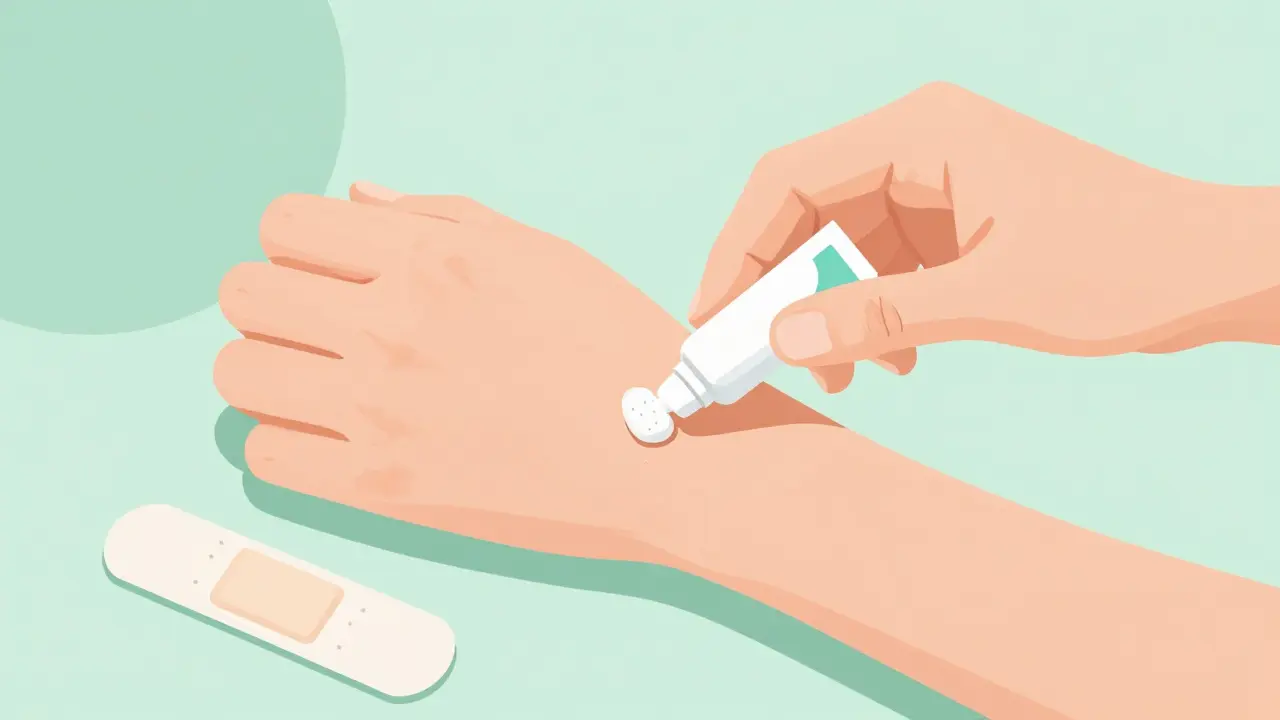
Choosing the right antibiotic depends on the infection type and bacterial cause. For localized impetigo, topical mupirocin (Bactroban) works well. Applied three times daily for 5 days, it cures 92% of cases. However, if the infection is widespread or bullous, oral antibiotics like cephalexin (25-50 mg/kg/day) are needed.
Cephalexin is standard for mild cellulitis cases. For severe cases, IV antibiotics like cefazolin are used. If MRSA (methicillin-resistant Staphylococcus aureus) is suspected-common in community settings-doxycycline or trimethoprim-sulfamethoxazole are preferred.
Antibiotic resistance is a growing problem. The CDC's 2023 report shows 50% of community Staphylococcus aureus infections in the U.S. are MRSA. This means doctors can't rely on older antibiotics like penicillin. Newer treatments like topical retapamulin (Altabax) show promise, with 94% efficacy in recent trials. However, antibiotic stewardship is critical: using the right drug for the right infection reduces resistance and improves outcomes.
Prevention and When to Seek Help
Preventing bacterial skin infections starts with good hygiene. Wash cuts immediately with soap and water, then cover with a bandage. Avoid sharing towels, clothing, or sports equipment. Keep nails short to prevent scratching. During outbreaks, use antibacterial soap for daily washing. For cellulitis, managing underlying conditions like diabetes or venous insufficiency is key.
Children with impetigo should stay home until 24 hours after starting antibiotics. If you notice redness spreading rapidly, fever, chills, pus, or intense pain, see a doctor right away. For severe symptoms like high fever or skin peeling (possible staph scalded skin syndrome), call emergency services immediately.
Frequently Asked Questions
Is impetigo contagious?
Yes, impetigo is highly contagious through direct contact or sharing items like towels. However, it stops being contagious 24 hours after starting antibiotic treatment. Schools often require children to stay home until sores are dry and crusted, which usually takes 48-72 hours.
Can cellulitis be treated at home?
Mild cellulitis cases may be treated at home with oral antibiotics, but only under a doctor's supervision. Severe cases require hospitalization and IV antibiotics. Signs of worsening infection-like fever, expanding redness, or intense pain-mean you need immediate medical attention. Never delay treatment for cellulitis, as it can quickly become life-threatening.
What's the difference between impetigo and cellulitis?
Impetigo is a superficial infection that affects only the top skin layer, causing crusty sores and blisters. It's contagious and common in children. Cellulitis penetrates deeper into the skin and underlying tissue, causing red, swollen, warm areas without clear borders. It's not contagious but can lead to serious complications if untreated. Treatment differs: impetigo often uses topical antibiotics, while cellulitis requires oral or IV antibiotics.
Why do antibiotics sometimes fail for skin infections?
Antibiotic resistance is the main reason. Most Staphylococcus aureus strains produce penicillinase, making penicillin ineffective in 68% of cases. Also, MRSA (methicillin-resistant Staphylococcus aureus) is common in community settings, with 50% of U.S. Staph infections now resistant. Using the wrong antibiotic-like penicillin for Staphylococcus aureus-leads to treatment failure. Doctors now use targeted antibiotics based on resistance patterns to improve outcomes.
When should I see a doctor for a skin infection?
See a doctor immediately if you notice redness spreading rapidly, fever, chills, pus, or intense pain. For impetigo, if sores don't improve after 3 days of treatment or spread quickly. For cellulitis, any sign of worsening-like fever or expanding redness-requires urgent care. Children with staph scalded skin syndrome (high fever, skin peeling) need emergency treatment.
jan civil
February 7, 2026 AT 03:24Impetigo's contagiousness stops after 24h of antibiotics. Important detail.
Kate Gile
February 7, 2026 AT 14:52This is spot on. My daughter had impetigo last year, and the school enforced the 24-hour rule strictly. It's good to see accurate info on this.
Johanna Pan
February 8, 2026 AT 02:27Glad the article mentions the 24 hour rule. My cousin had it and they kept him home until scabs gone. Important for schools to know.
Lisa Scott
February 8, 2026 AT 14:00The 24 hour rule is a myth. MRSA resistance rates show antibiotics often fail. CDC data is manipulated. This is a scam.
Carol Woulfe
February 8, 2026 AT 16:42The real issue is the globalist agenda behind skin infections. Vaccines and water fluoridation are the true causes. The CDC hides this. They don't want you to know.
Elliot Alejo
February 8, 2026 AT 17:34MRSA prevalence is alarming. 50% of Staph aureus infections in the US are resistant. Antibiotic stewardship is critical to prevent further resistance.
Albert Lua
February 8, 2026 AT 22:11Working in diverse communities, I see MRSA cases often. Education on hygiene is key. Proper wound care can prevent many infections.
Katharine Meiler
February 9, 2026 AT 21:51Pathophysiology of cellulitis involves dermal invasion. Streptococcus pyogenes is primary pathogen. MRSA complicates treatment protocols. Need targeted antibiotics.
Danielle Vila
February 11, 2026 AT 13:44The government's hiding the truth. 5G and vaccines cause skin infections. They're poisoning us. I've researched this for years.
Joyce cuypers
February 13, 2026 AT 01:42I had impetigo as a kid. The honey-colored crusts were so itchy. The article says it's contagious but stops after 24h antibiotics. My school made me stay home until scabs gone. Glad they're clear.
Lana Younis
February 13, 2026 AT 21:46This is helpful. Need more info on preventing recurrence. Like after treatment, keep skin moisturized and avoid scratching. Also check for underlying issues like diabetes.
Jenna Elliott
February 13, 2026 AT 23:14American antibiotics are the best. Why are we using foreign drugs? We need to support domestic production. This is a national security issue.
Tehya Wilson
February 15, 2026 AT 18:55The data provided lacks depth. Insufficient on antibiotic resistance patterns. A superficial analysis.
Kieran Griffiths
February 17, 2026 AT 00:12As a healthcare worker, I see these infections often. Proper hygiene is key-washing cuts immediately with soap and water, then covering them with a clean bandage.
Avoid sharing towels, clothing, or sports equipment to prevent spread.
For impetigo, topical mupirocin works well for localized cases, but oral antibiotics like cephalexin are needed for widespread infections.
Cellulitis requires oral or IV antibiotics depending on severity.
MRSA resistance is a growing problem, so it's crucial to use the right antibiotic.
The CDC reports 50% of community Staph aureus infections are MRSA.
This means doctors can't rely on older antibiotics like penicillin.
Newer treatments like topical retapamulin show promise, but antibiotic stewardship is critical.
Overusing antibiotics leads to resistance, making future treatments harder.
Children with impetigo should stay home until 24 hours after antibiotics start.
For cellulitis, any sign of worsening like fever or spreading redness needs immediate attention.
Managing underlying conditions like diabetes is essential for prevention.
Always consult a doctor for proper diagnosis and treatment.